Dash Cam Buying Guide 2026: Features, Fitting and Footage
A dash cam is only useful if the footage is readable when it matters. The spec sheet matters less than the lens, the mount and where you put it.
A dash cam is a small camera that records the road ahead, and sometimes the road behind. In 2026 it is one of the few accessories that can pay for itself in a single disputed insurance claim, but only if the footage is clear, time-stamped and still on the card when someone needs it.
This guide explains the specifications that matter, the ones that do not, how to fit a camera without damaging the car, and the privacy rules that apply in different countries. It is written for a normal owner, not a fleet installer.
Resolution is not the whole story
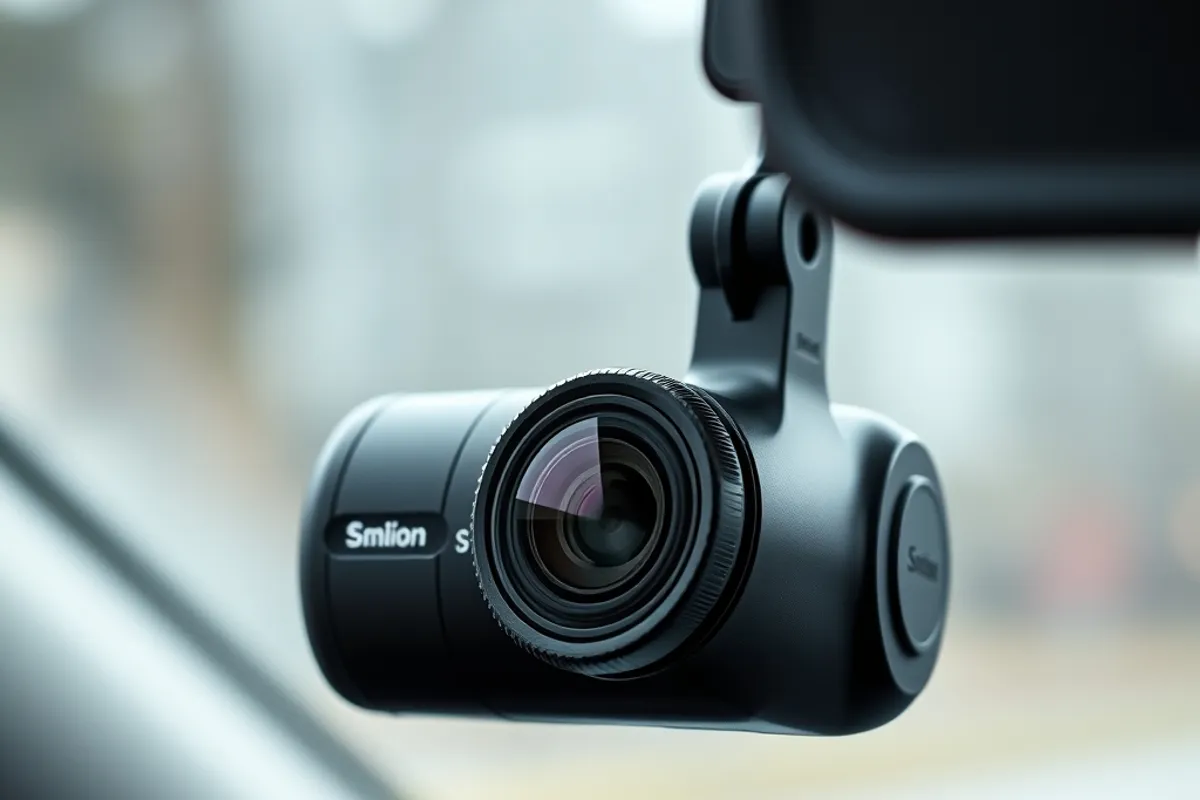
Manufacturers sell resolution because it is easy to print on a box. What matters is how the sensor handles contrast at night: headlights, number plates and reflective signs. A 1080p camera with good processing can beat a 4K camera that smears plates in the dark. Look for sample footage from a moving car at dusk, not a bright showroom video.
Frame rate matters too. Thirty frames per second is fine for most driving; sixty helps when reading a plate at speed or in a fast-moving incident. Wide lenses capture more of the road but distort the edges, so a moderate field of view is usually more useful than an extreme one.
Single, dual or 360
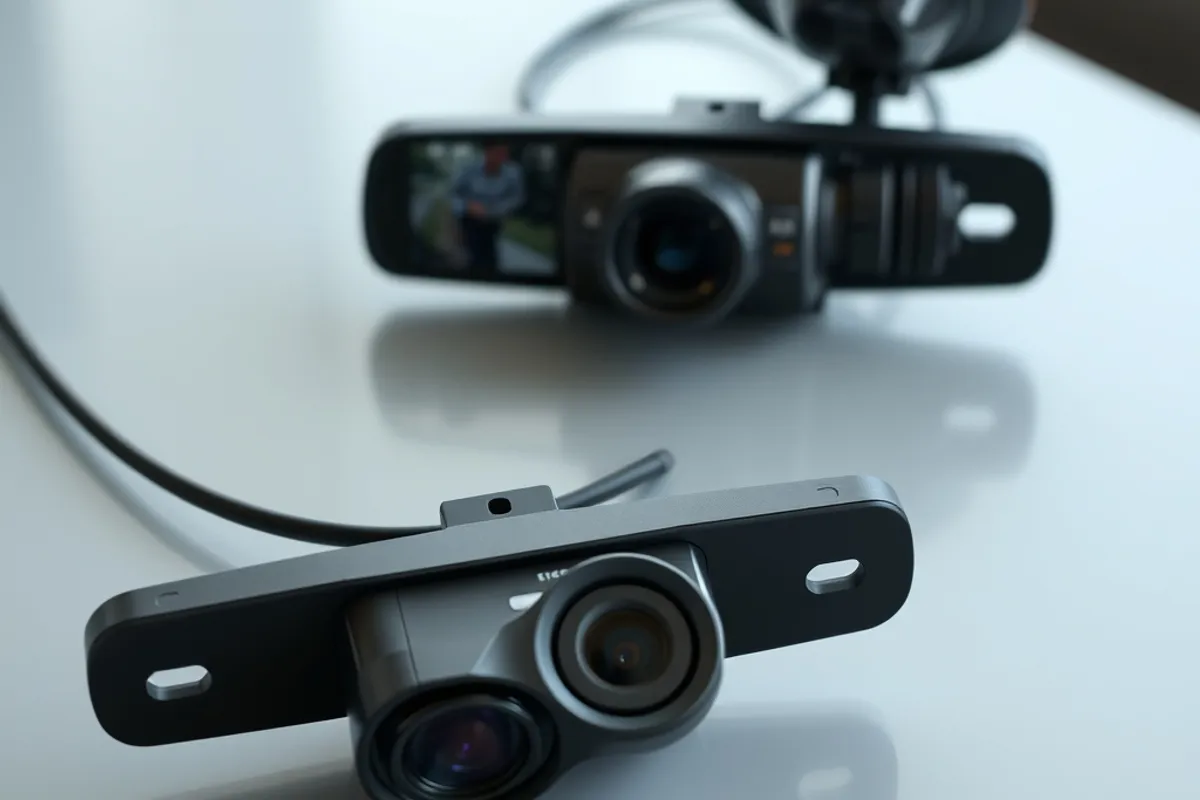
A single front camera covers most claims. A dual system adds a rear camera, which helps in a rear-end collision or a parking incident. A 360 system records around the car but costs more, installs with more wiring and produces files that are harder to review. For most owners a good front unit is the sensible start, with a rear camera added if the car is often parked on a street.
Parking mode and power safety
Parking mode records while the car is switched off, usually triggered by motion or an impact. It needs a power source that will not flatten the battery. Use a hardwire kit with a voltage cut-off, or a camera with a built-in low-voltage protection. If you are unsure, start with a simple 12V socket connection and skip parking mode until you understand the battery drain.
Heat is the quiet killer of dash cams. A camera left on a windscreen in summer can overheat and shut down. Choose a model with a capacitor rather than a lithium battery, and avoid mounting it where direct sun hits the body all afternoon.
The best footage is the clip you can find on the card two weeks later, not the spec on the box.
Lena Ortiz
Storage, evidence and maintenance
Dash cams write constantly, which wears out ordinary memory cards. Use a high-endurance card sized for at least a week of driving, and format it in the camera as the manual instructs. Set the clock correctly; footage with the wrong time is easier to challenge. Check a clip every month to confirm the camera is still recording and the card is not full of locked incident files.
Keep the original file, not a phone recording of the screen. If an incident happens, stop safely, save the clip and note the time. Some cameras upload to the cloud, which can help if the car is stolen, but it adds a subscription and a privacy decision. Our guide to car accessories explains where a dash cam fits in a sensible kit.
Fitting it properly
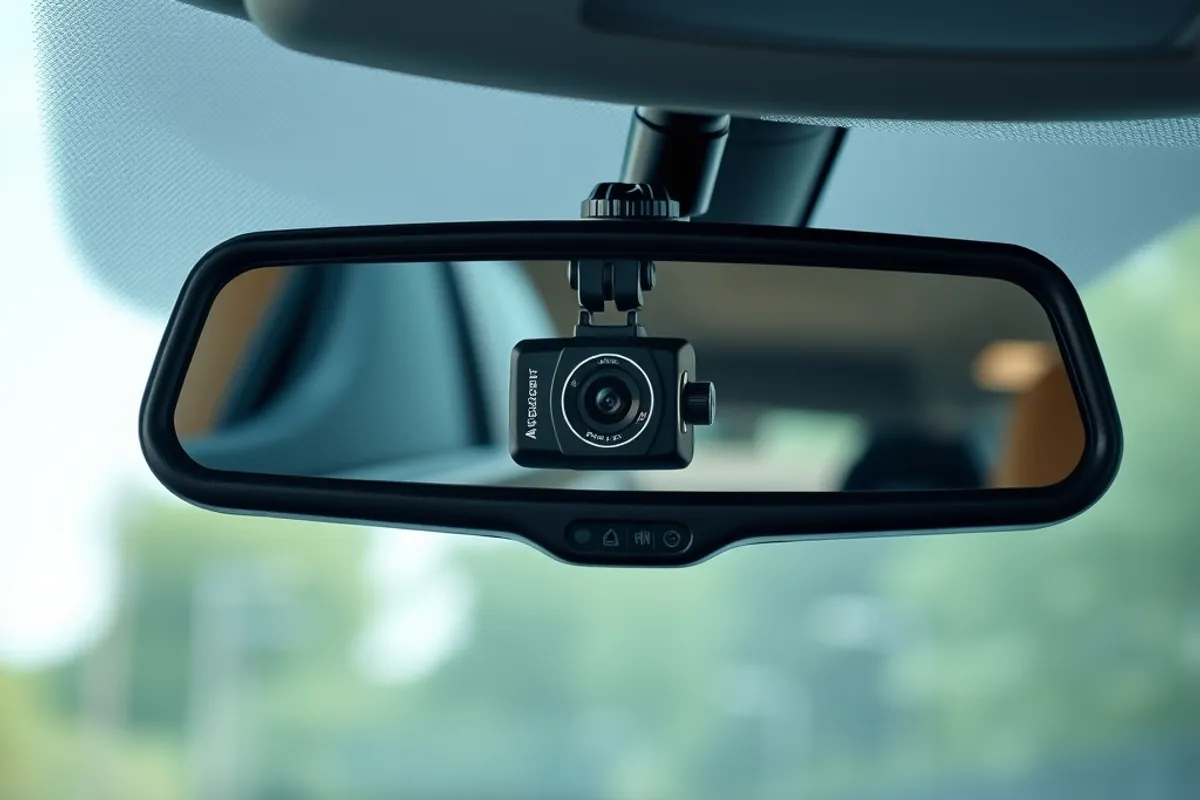
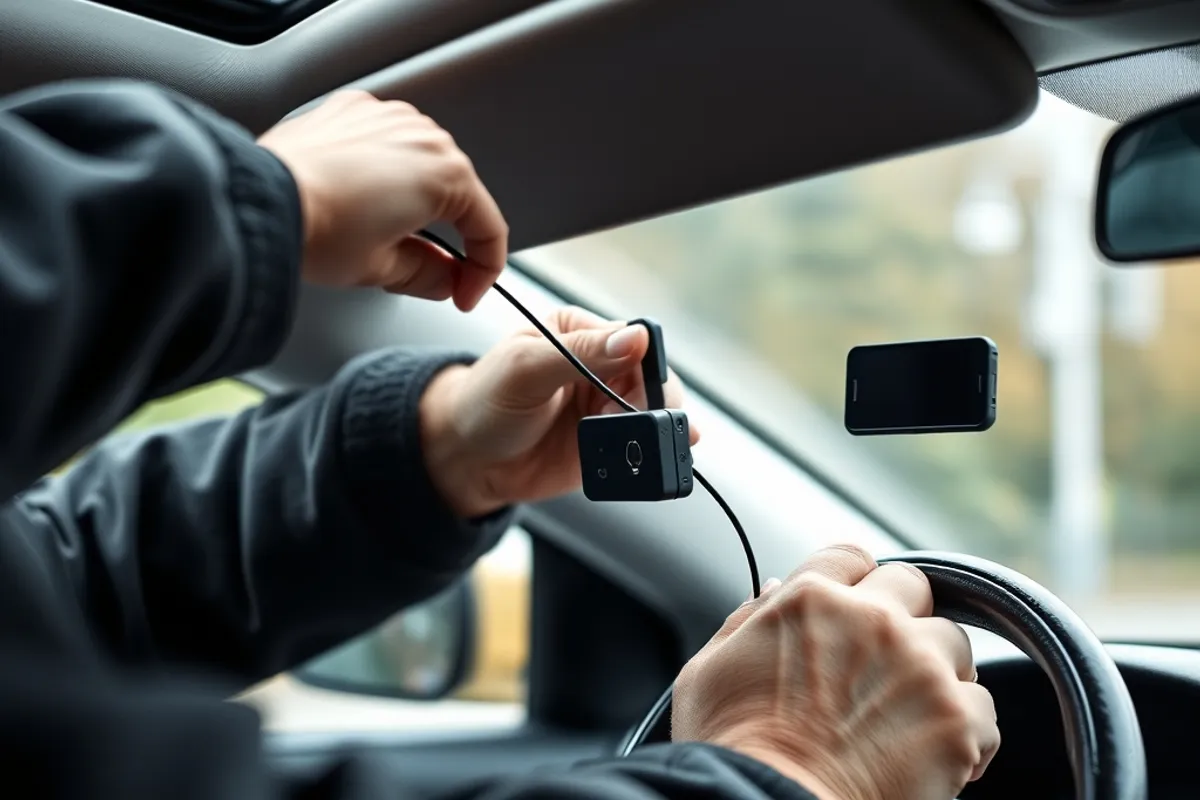
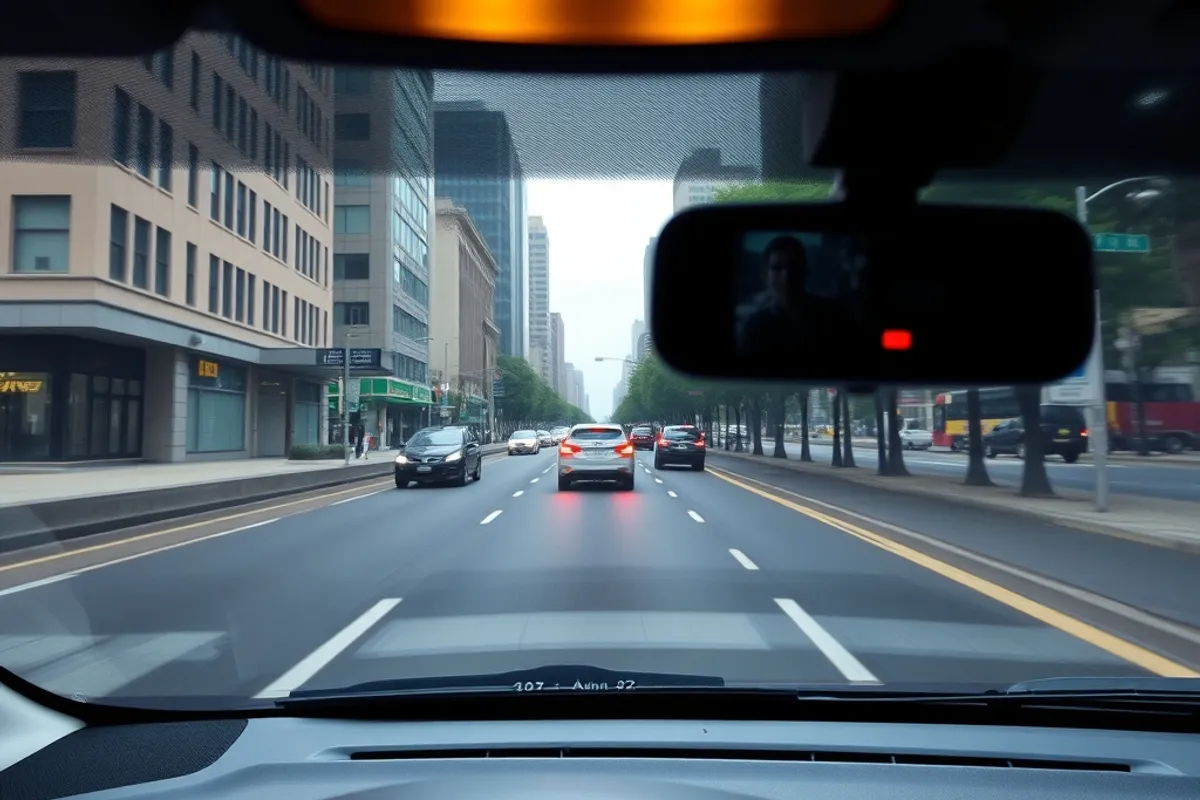
Clean the glass, mount the camera behind the mirror and check that the lens sits inside the swept area of the wipers. Route the cable along the headlining and down the A-pillar, avoiding airbags and existing wiring. Do not let the cable cross the driver's field of view or the pedals. If the car has a powered mirror or a rain sensor, leave clearance for it.
Hardwiring is best done with a fuse tap and a multimeter, not by cutting into a random wire. If that sentence sounds unfamiliar, pay an installer; a dash cam is cheap compared with an electrical fault. Check local rules on windscreen obstructions and recording in public before you fit one, then test the footage at night before trusting it.
Key facts
- Night footage and plate readability matter more than 4K.
- Use a high-endurance memory card and format it in the camera.
- Parking mode needs voltage protection or it will drain the battery.
- Mount high and centred, with the lens inside the wiper sweep.
- Test a clip monthly and set the clock correctly.
Clear plates, correct time, card you can trust.