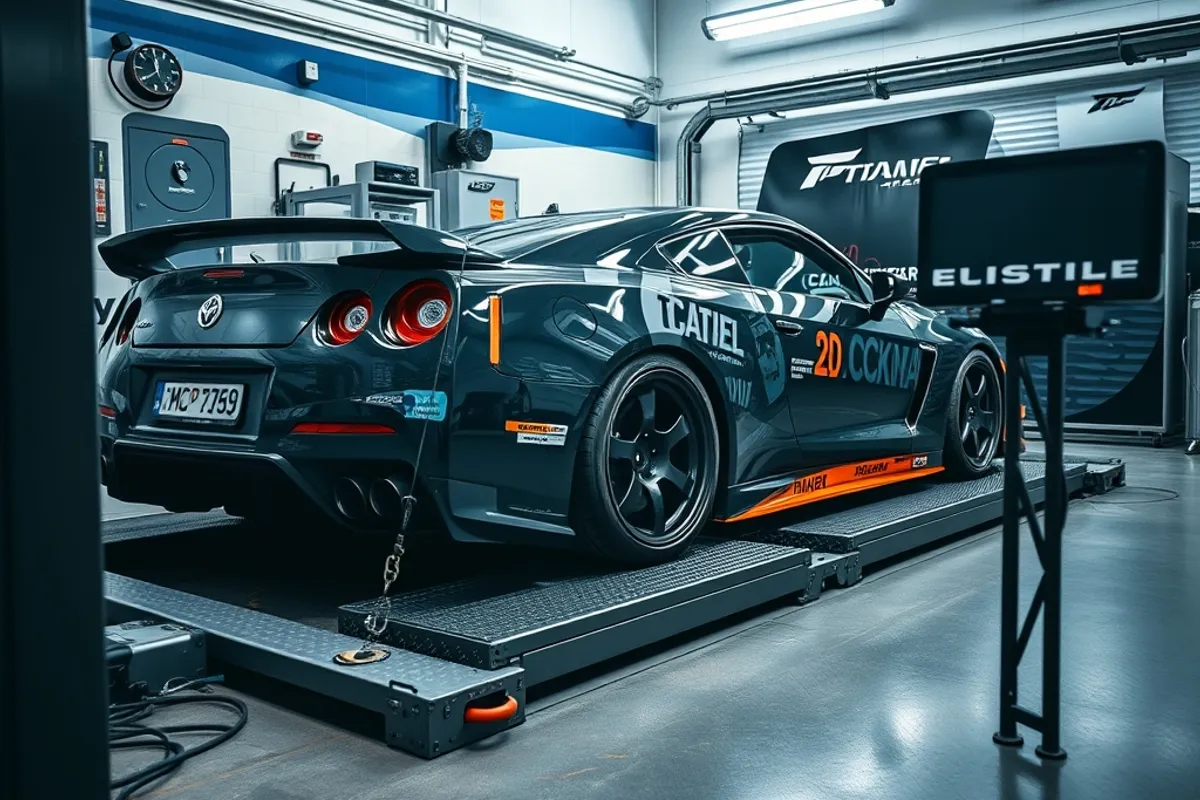
Engine Performance Tuning Guide 2026: Safe Gains That Last
More power is easy to promise and expensive to get right. This guide separates the gains that survive daily driving from the ones that end in a workshop bill.
Engine tuning has a simple rule that survives every trend: air, fuel and spark must stay in balance, and the parts around them must be able to take the extra load. A car that makes more power for one dyno pull is easy. A car that makes more power for 100,000 km without overheating, knocking or eating its turbo is the actual job.
This guide covers the order we recommend for a daily-driven car in 2026: what to check before spending money, which upgrades give measurable gains, and where the reliability ceiling sits. It is general advice, not a tune for a specific engine; your workshop and your owner's manual have the final word.
Where safe power actually comes from
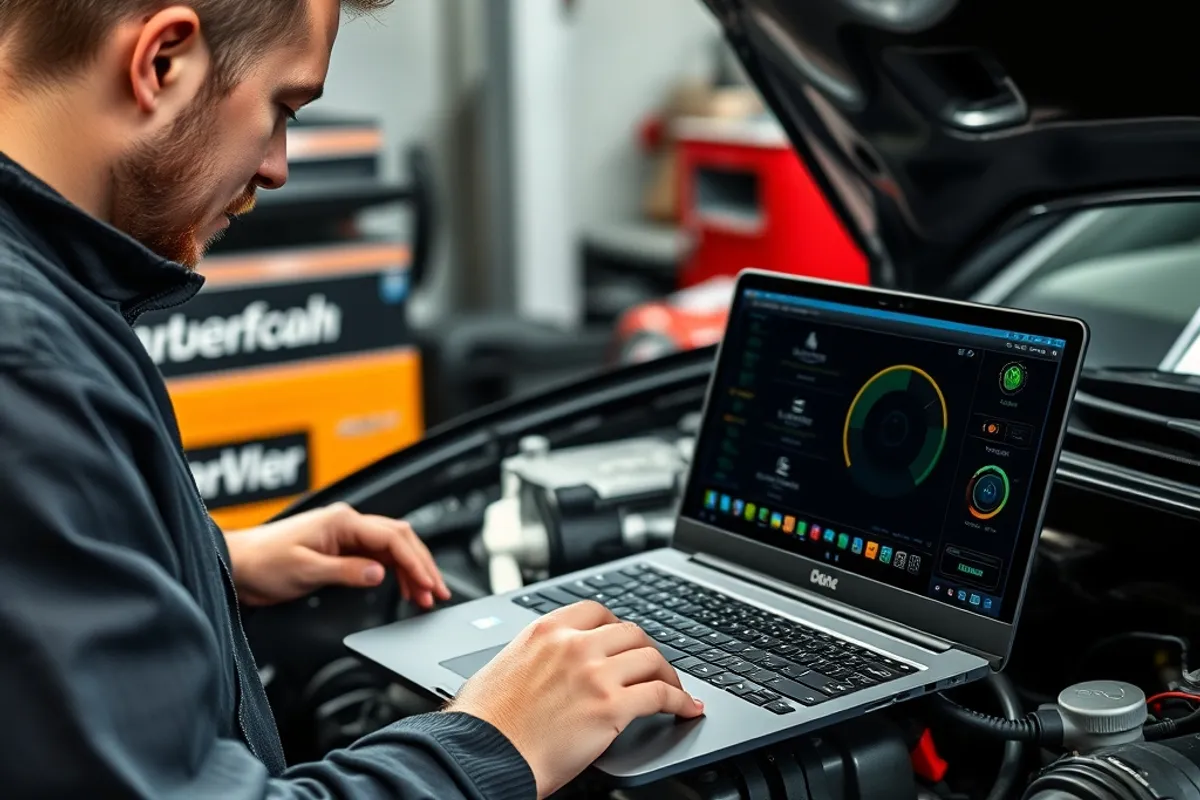
On a modern turbocharged engine, most of the gain comes from calibration: boost pressure, ignition timing and fuel delivery changed together within safe limits. A reputable tuner logs the car on the road, watches knock, intake temperature and fuel trims, and stops before the margin disappears. A file bought online cannot do that, because it has never seen your fuel, your climate or the condition of your intercooler.
On a naturally aspirated engine the gains are smaller and harder to find. Intake, exhaust and a proper tune might add a modest amount, but the cost per horsepower rises quickly. Knowing which engine you have stops you from spending turbo money on an engine that will never respond the same way.
The order to upgrade
Start with maintenance, not parts. Fresh oil, correct spark plugs, a clean air filter, a healthy battery and a cooling system that holds pressure are the foundation. A tune on a car with a tired fuel pump or a clogged radiator is a borrowed gain that will be repaid with interest.
- Confirm the engine is healthy: compression, leak-down, fuel pressure and fault codes.
- Fix known weaknesses for your model before adding load.
- Upgrade the supporting hardware the target power needs.
- Calibrate on a dyno or with proper road logging, not a generic file.
- Re-check after a week of real driving, including heat soak in traffic.
What a proper tune costs
Prices vary by platform, but the structure is consistent. A custom dyno tune usually costs more than an off-the-shelf file because it includes logging, revisions and a tuner who takes responsibility for the result. Add the cost of any required hardware, plus a health check before the session. A cheap file with no logging is not a bargain; it is an unmeasured risk.
Ask what happens after the tune. A good workshop will offer a follow-up log, explain the safe boost and torque limits, and tell you which fuel grade the calibration expects. If the answer is only "it will be fine", keep looking.
Horsepower you cannot use reliably is just a shorter engine life with a louder exhaust.
Marcus Bell
Reliability limits to respect
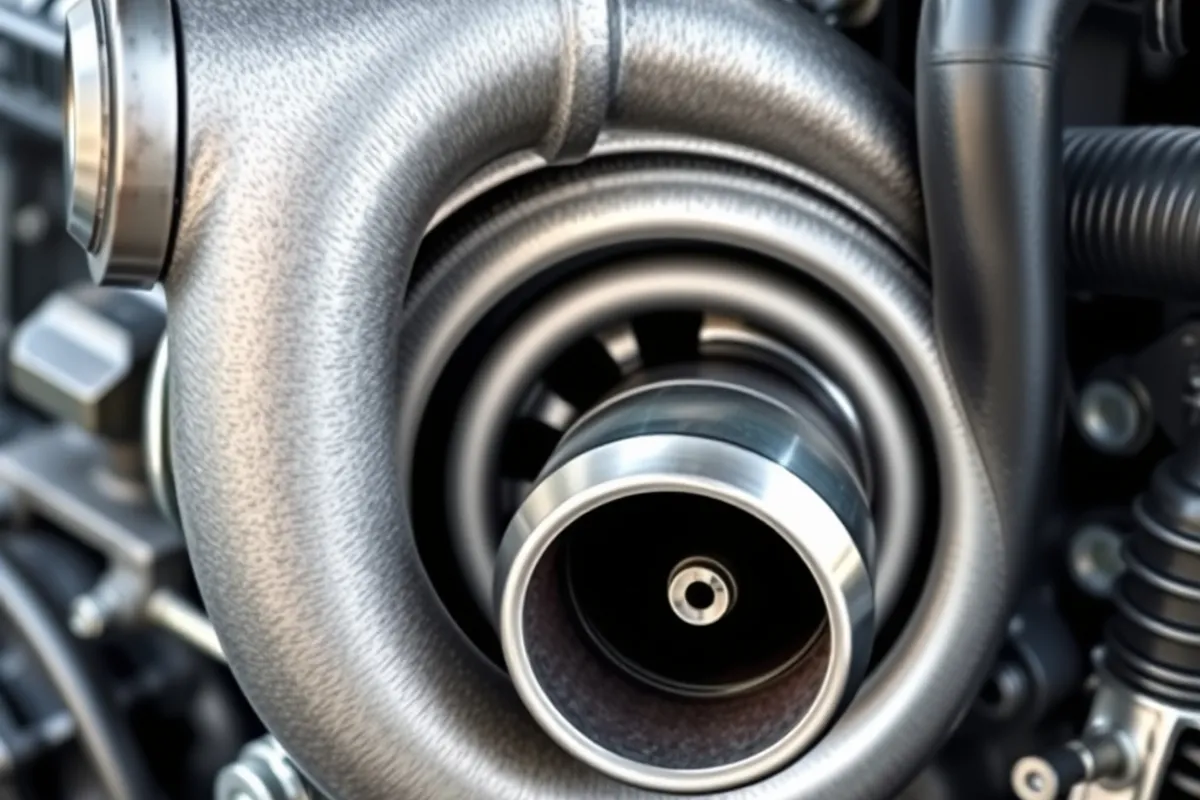
Every engine has a weakest link: pistons, rods, clutch, gearbox, cooling or fuel delivery. A tuner who knows the platform will name it before the work starts. On many modern cars the limiting factor is heat, not the turbo itself, so an upgraded intercooler or better airflow can be worth more than another few psi of boost.
Watch for the warning signs after tuning: knock correction, rising oil temperature, a slipping clutch, or a boost curve that falls away on the third pull. These are not badges of a powerful car; they are the engine asking for a lower target. Detonation and lean running can destroy an engine in seconds, which is why logging and a conservative margin are non-negotiable.
Supporting mods that protect the engine
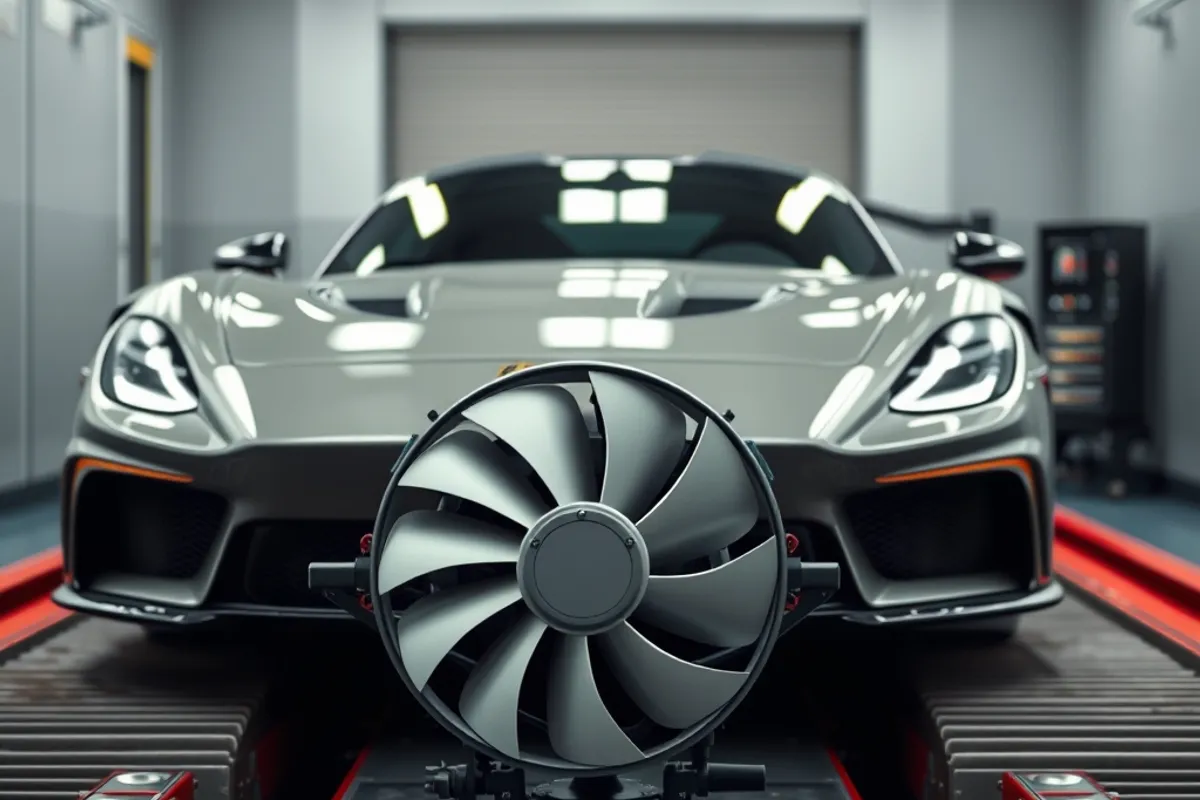
The parts that support power are less exciting than the tune and more important. A larger intercooler lowers intake temperature, a free-flowing exhaust reduces backpressure and heat, and a sturdier fuel pump keeps the mixture safe at high load. On a manual car, a clutch rated for the new torque is cheaper than replacing a gearbox later.
If you want to understand the intake side first, our guide to cold air intakes versus drop-in filters explains where the real gains are. If a warning light appears after tuning, read our dashboard warning lights guide before clearing anything.
Key facts
- Health check before tune: compression, fuel pressure, cooling and fault codes.
- Custom calibration with logging beats a generic file every time.
- Heat management often limits safe power more than the turbo does.
- Budget for supporting hardware, not just the tune.
- Re-log after a week of real driving; do not trust one dyno pull.
Final word
Tuning is a system, not a purchase. Decide on a realistic target, fix the weak points first and measure the result. A modest, well-supported gain that lasts is worth more than a headline number that turns the car into a workshop project. For the maintenance baseline, see our pre-drive safety checklist and keep the car healthy before making it faster.
Measure twice, boost once.