Car Interior Design Trends 2026: What Works in Daily Use
An interior is the part of the car you actually touch. Trends look good in photos; the ones that last are the ones that survive children, dogs and sunlight.
The interior is where you spend every drive, so its design decisions matter more than the exterior ones. A screen that looks futuristic in a showroom can be a distraction in traffic, and a fabric that feels premium on day one can look tired after two summers. In 2026 the best interiors are calmer, more repairable and easier to clean.
This guide covers the trends worth noticing, the materials that age well, and the controls that should never move to a touchscreen.
Screens: bigger is not always better
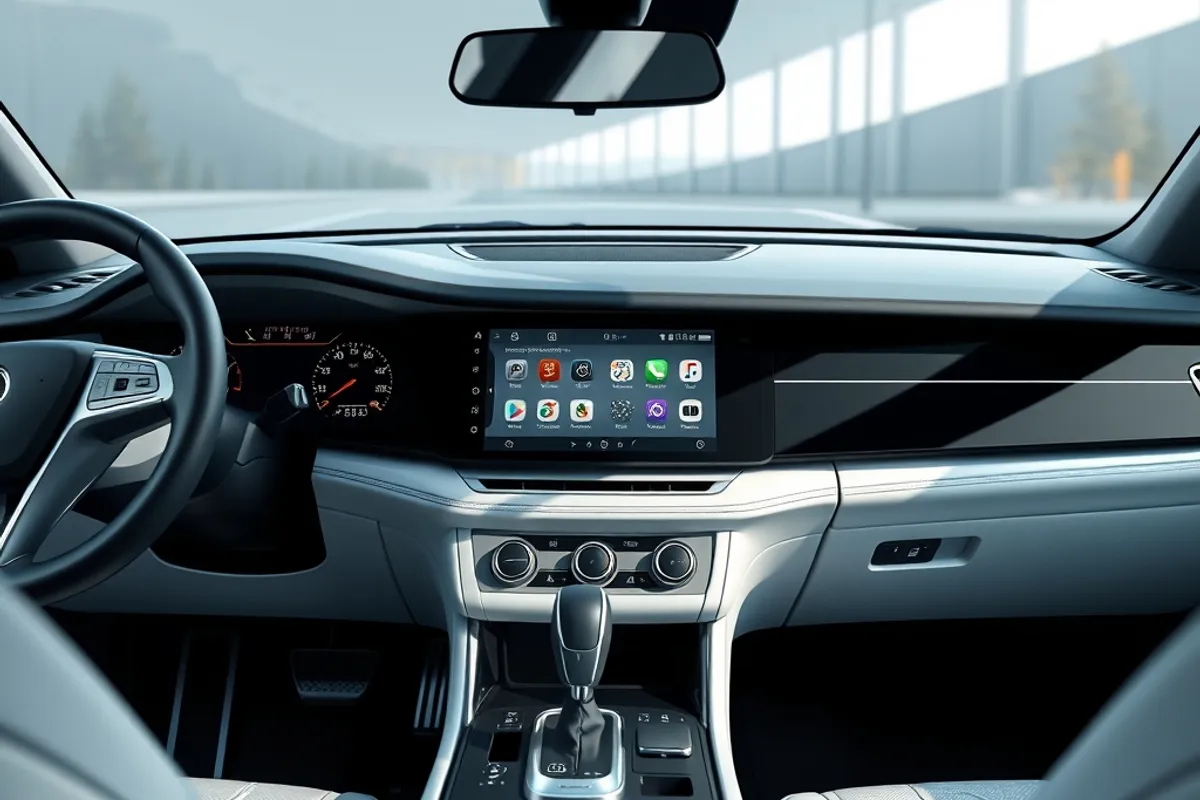
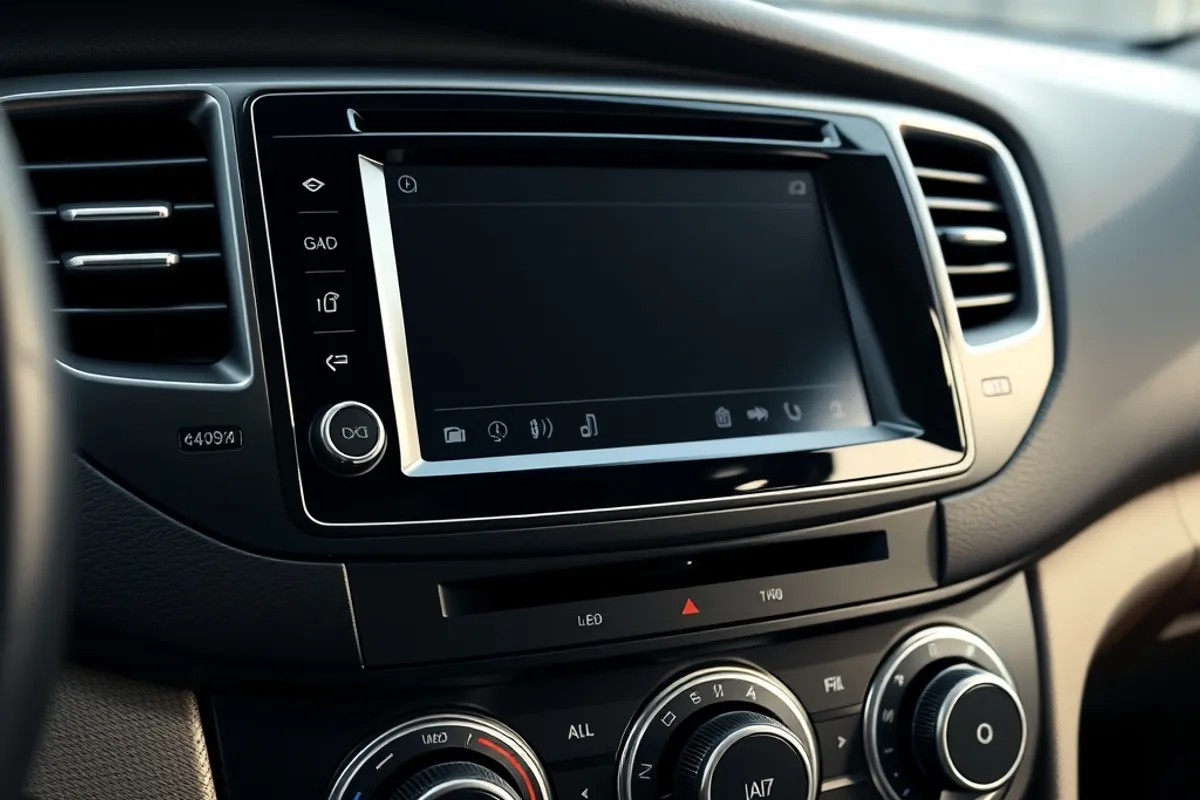
Large central displays are now standard, and the best ones are quick, bright and logically laid out. The worst ones bury the climate controls three menus deep and reflect sunlight into the driver's eyes at noon. Look for physical controls for the functions you use most: volume, temperature, hazard lights and demisting. A screen should add information, not hide basic controls.
Check the screen's position before you buy. A display mounted high and close to the road keeps the driver's eyes up; one mounted low and far away asks for a longer glance. Try the interface while the car is stationary, then ask yourself whether you could use it safely in motion.
Materials that age well
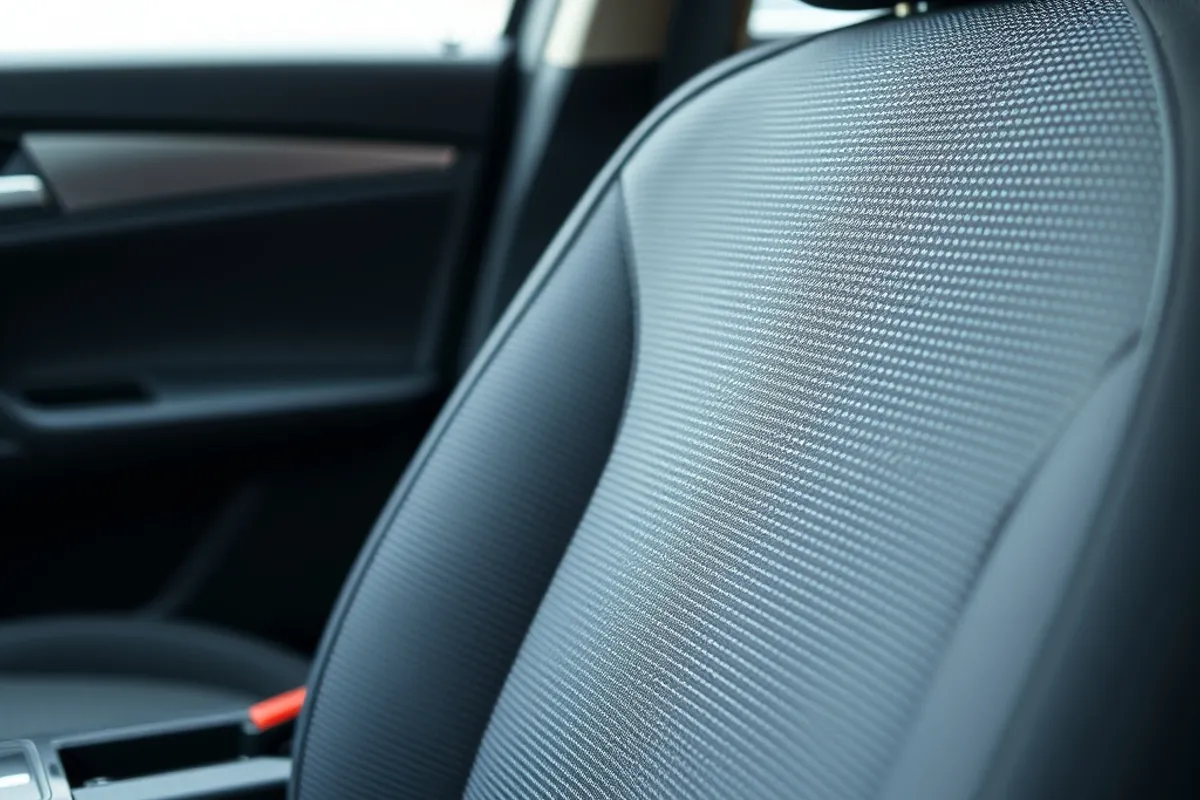
Cloth wears honestly; cheap leather can crack; gloss black plastic shows every fingerprint. The durable choices are usually matte, textured and easy to wipe. Recycled fabrics and natural-fibre composites are improving quickly, and the good ones resist staining and fading. Avoid pale surfaces on the door armrests and steering wheel, where hands and rings do the most damage.
Lighting and the feeling of space
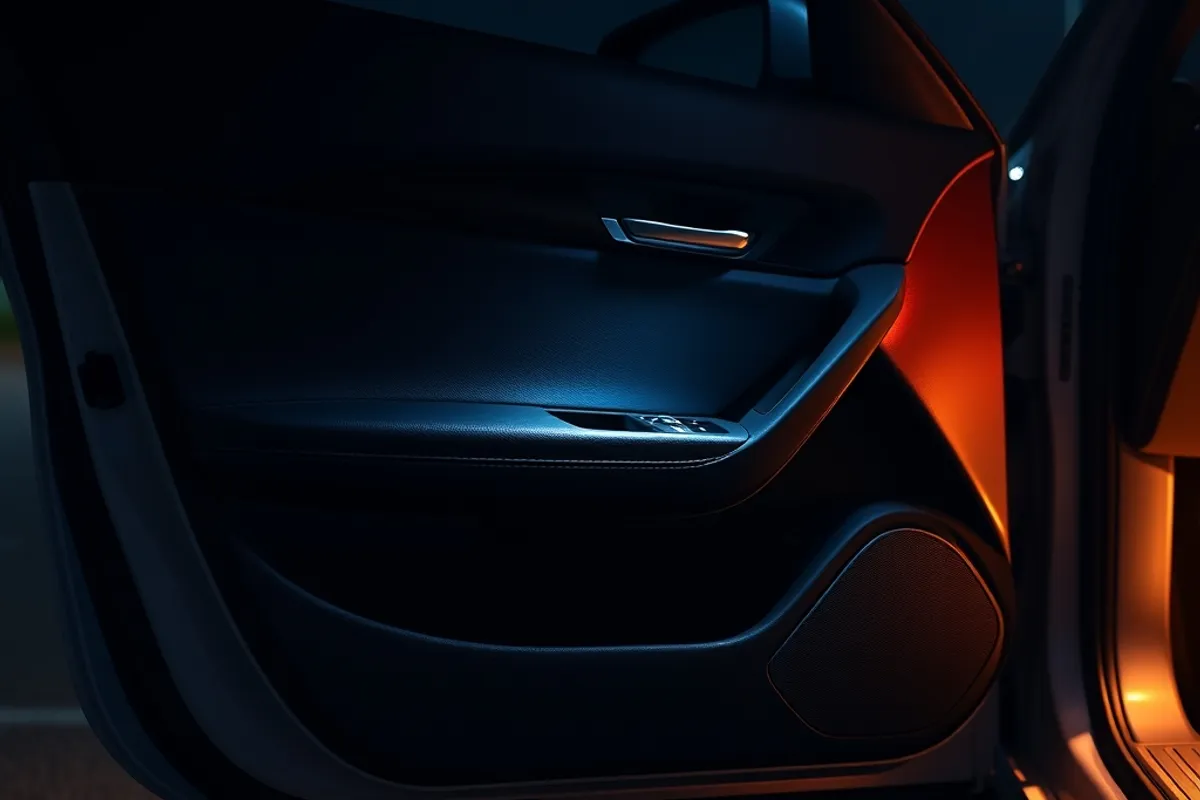
Ambient lighting has moved from novelty to standard. Used well, it reduces glare and makes the cabin feel larger at night. Used badly, it turns the interior into a fairground and reflects in the glass. Look for adjustable brightness and a warm, low level rather than a rainbow. A panoramic roof adds light during the day but can add heat and weight; check whether it opens and whether there is a blind.
Storage and family life
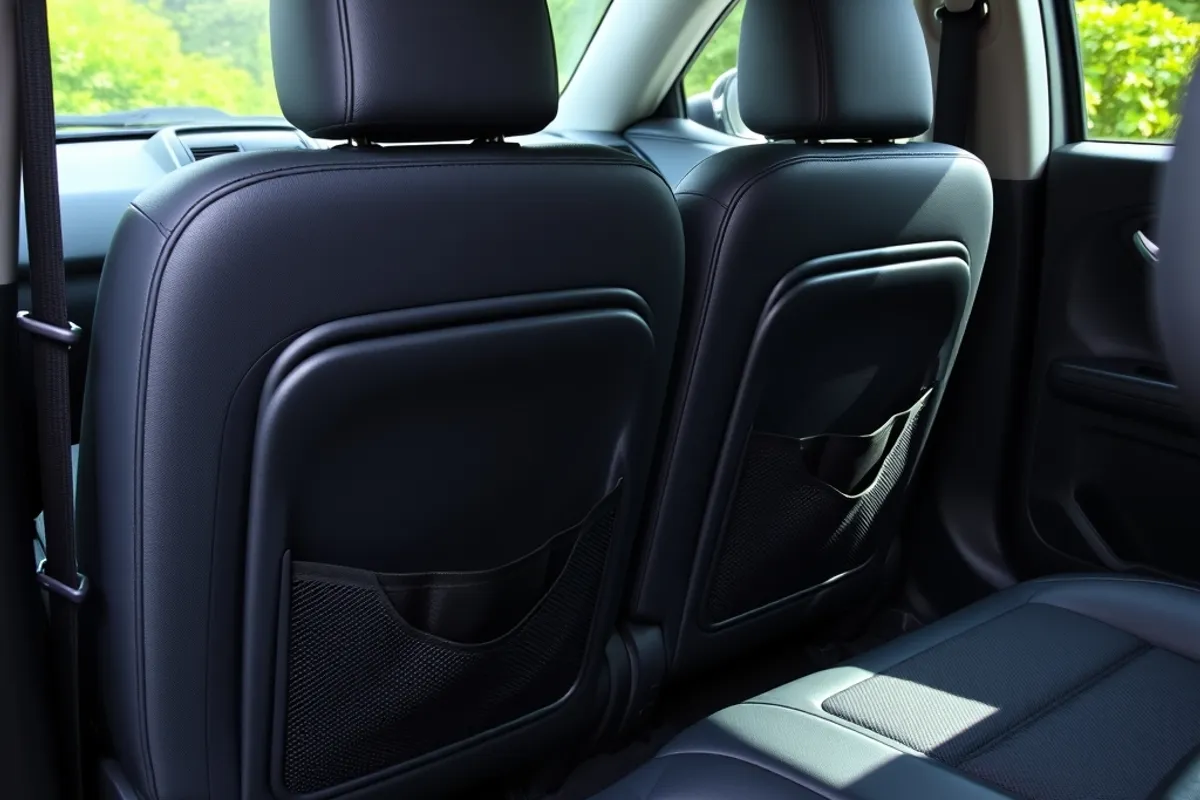
The best family interiors are designed around the things people carry: bottles, cables, phones, wipes and shopping bags. Look for door bins that hold a large bottle, a console that hides cables, and rear USB ports within reach of a child seat. A flat load floor and a boot that is easy to clean matter more than a fancy stitching pattern.
An interior earns its price on the school run, not on the launch night.
Aisha Rahman
Controls, safety and repairability
Anything that requires a long look at a screen is a design problem. Physical knobs for climate, volume and hazards are safer because the hand can find them without the eyes leaving the road. Check that the seat belt and airbag warnings are visible and that the glovebox and fuse box are accessible without removing half the dashboard.
Repairability is the quiet trend of 2026. Interiors built with clips and screws are easier to service than those sealed with adhesive. If a speaker or a window switch fails, you want a trim panel that comes off, not a dashboard that has to be replaced. Ask about parts availability before buying an unusual brand.
For the exterior side of design, read our vehicle design guide. If you are adding accessories, our accessories list covers the items that work with a modern cabin rather than fighting it.
Key facts
- Keep physical controls for climate, volume and hazards.
- Choose matte, textured materials over gloss and pale trim.
- Check screen position and glare before buying.
- Test storage with real bottles, bags and child seats.
- Prefer interiors that can be disassembled for repair.
Final word
A good interior is not the one with the most features. It is the one that stays quiet, clean and comfortable after years of ordinary use. Sit in the car, adjust everything, and imagine a rainy Monday with passengers. That is the test the photographs never show.
Calm, clean, easy to live with.