Vehicle Design in 2026: Aerodynamics, Lighting and Comfort
Car design is a set of trade-offs between drag, visibility, cost and repair. The best 2026 designs hide that arithmetic behind a shape that simply works.
Vehicle design is the art of hiding engineering compromises. A slippery shape costs headroom, a slim headlight costs money to replace, and a large wheel looks great until the first pothole. In 2026 the best designs are not the most dramatic; they are the ones that balance efficiency, visibility and repair cost without making the driver pay for the photograph.
This guide looks at the design trends that actually affect ownership: aerodynamics, lighting, materials and the way a car's shape changes what you can see and what you can fix.
Aerodynamics: the invisible option
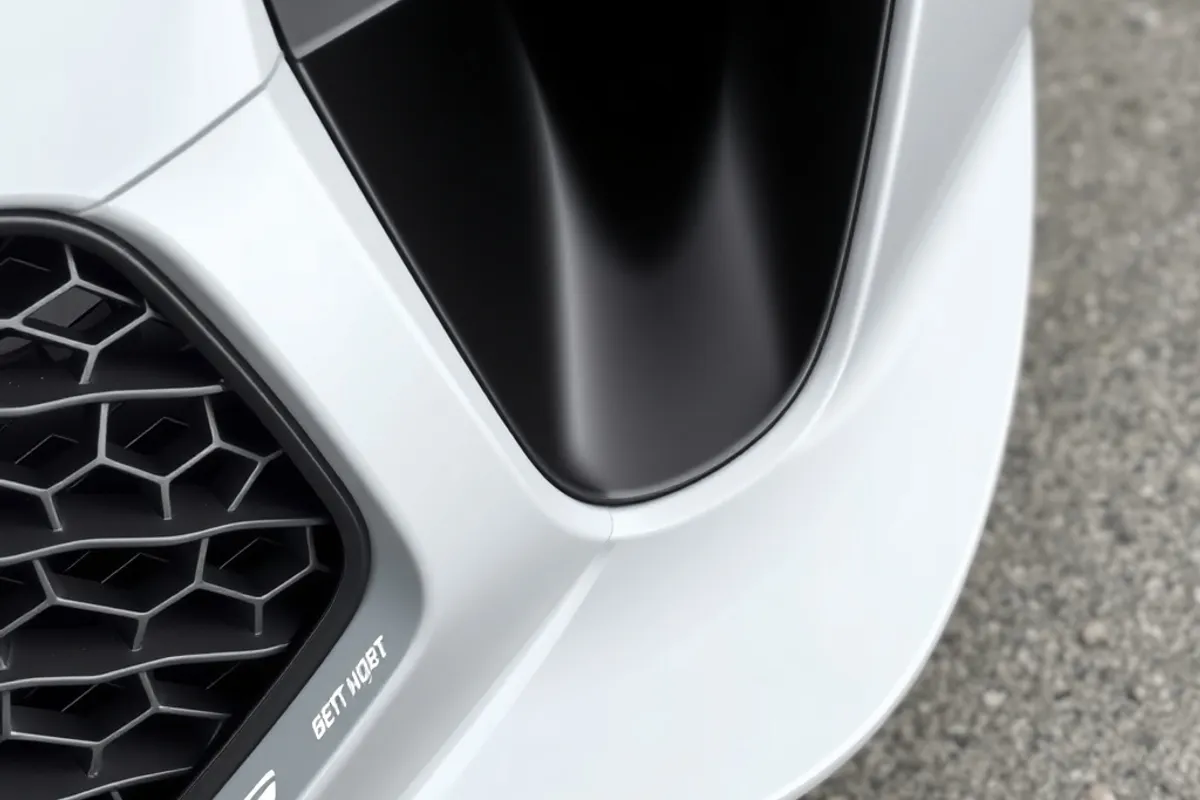
Air resistance rises with the square of speed, so a shape that slips through the air saves energy on every trip. Electric cars push this further because range is the headline number. Flush door handles, sealed grilles, underbody panels and careful rear shaping all reduce drag, and the gains are real at motorway speed even if they are invisible in the showroom.
The trade-off is usually access and repair. A sealed front end is harder to service, and a low front lip is easy to damage on a kerb. A good design protects the aerodynamic parts behind replaceable trim, so a small impact does not become an expensive body repair.
Lighting: signature versus cost
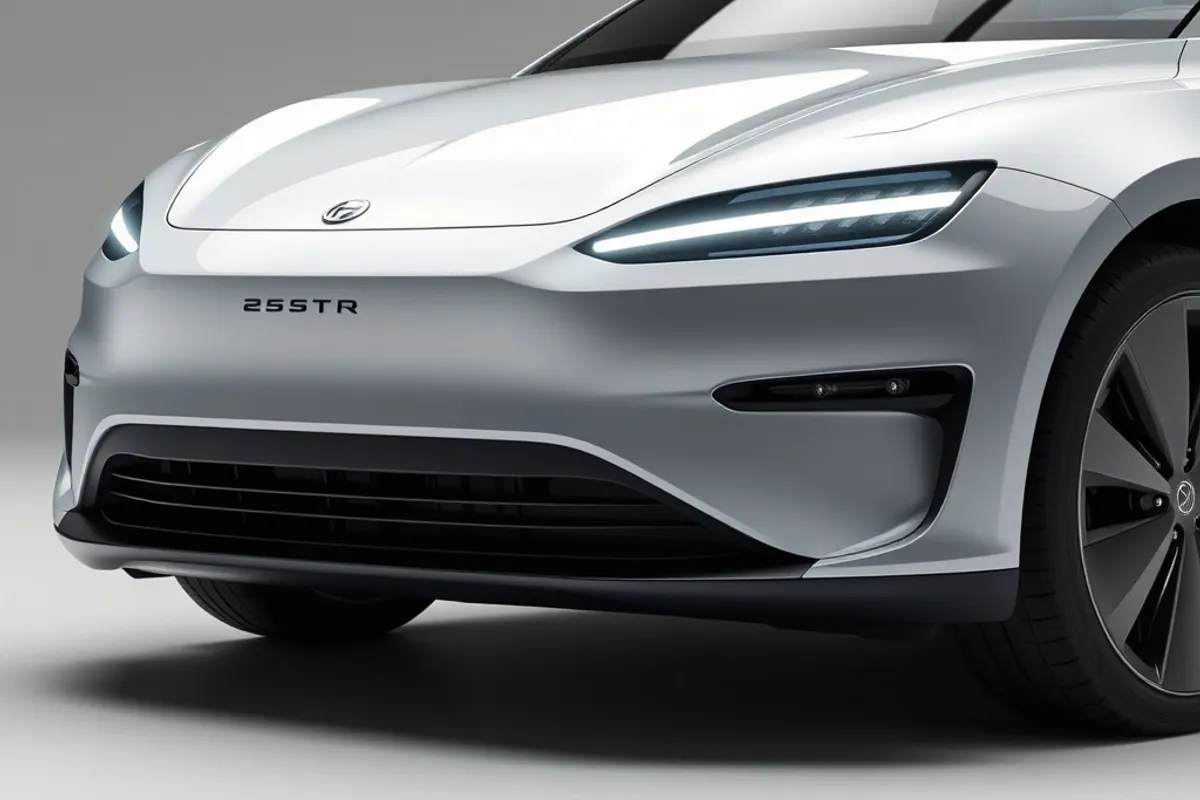
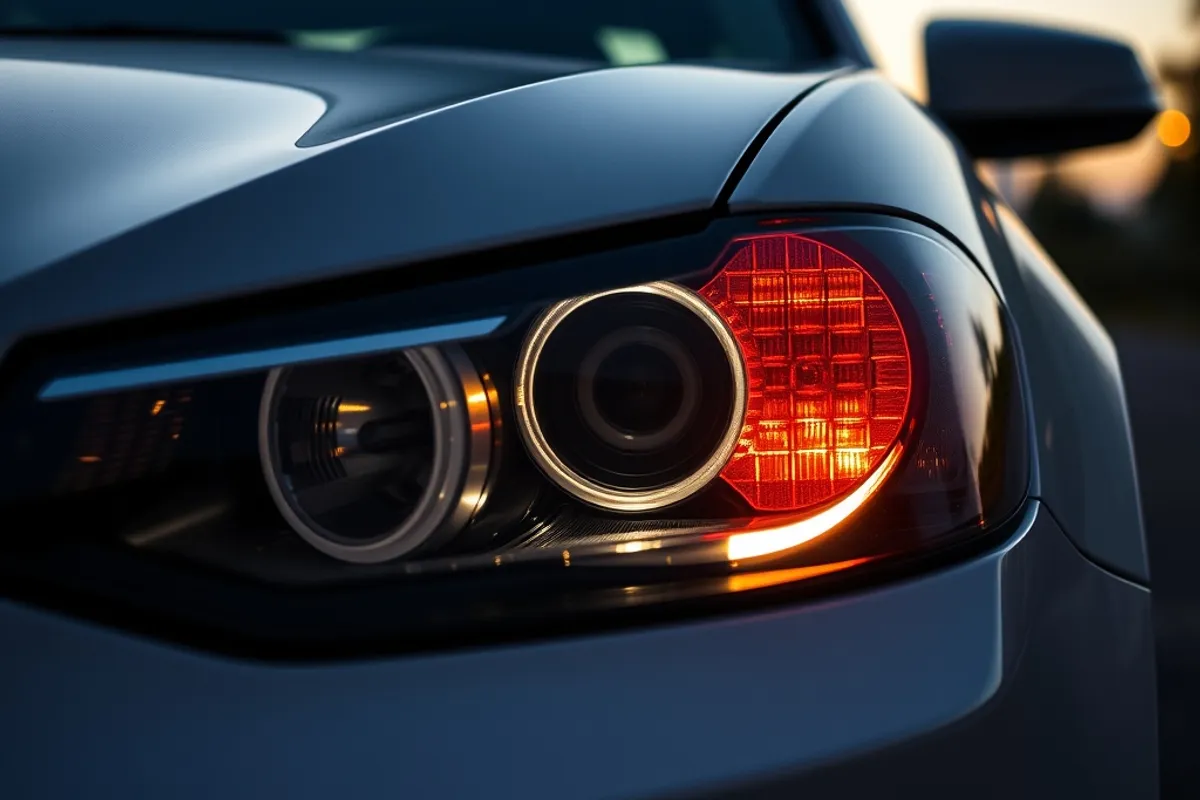
LED and matrix lighting have changed both safety and styling. Adaptive high beam can keep main beam on without dazzling other drivers, and it is one of the few design features that directly improves night driving. The catch is price: a matrix unit can cost many times more than a conventional lamp, and a minor bump can write off a headlight that still works.
When comparing cars, look at what happens after a low-speed impact. Are the lights protected behind bumper trim, or are they the first thing to break? Does the car use one expensive module per side, or a cheaper replaceable bulb? Style should not cost more than the owner expects.
Materials and weight
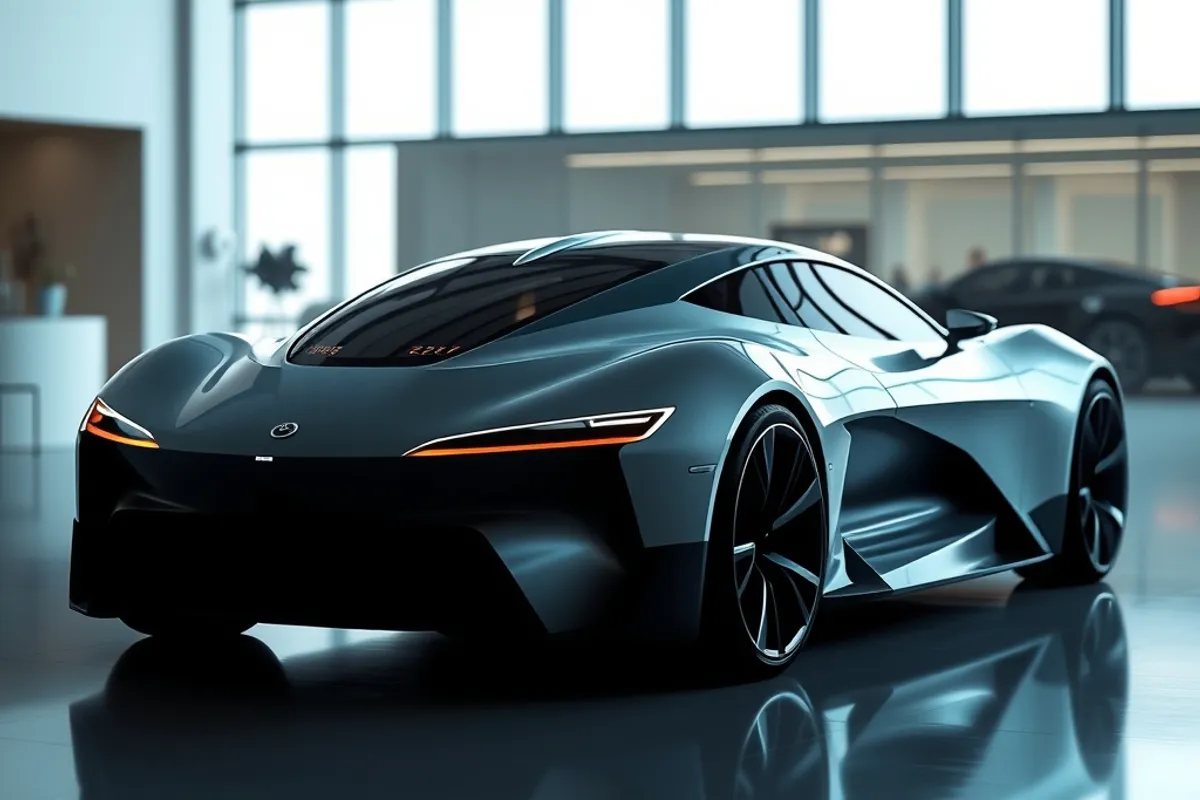
Steel is cheap and repairable; aluminium is lighter and more expensive to fix; composites are lighter still and often not repairable at all. The mix in a modern car is a cost decision disguised as an engineering one. A lighter car uses less fuel and stops in a shorter distance, but a complex mix of materials can make a repair shop hesitate.
Inside, sustainable materials are now a selling point: recycled fabrics, natural fibres and lower-sheen plastics. The good ones wear well and feel honest. The bad ones scuff easily or fade in sunlight. Touch the surfaces you will actually use, not the ones behind glass at the motor show.
Good design solves a problem you notice every day. Great design solves it without making you pay for it twice.
Aisha Rahman
Visibility and the shape of the glass
Rising beltlines and thick pillars have made many modern cars feel like bunkers. A dramatic roofline can look wonderful and still leave a blind spot at a junction. Before you buy, sit in the car and look over both shoulders, then check the view through the rear window and the door mirrors. A reversing camera helps, but it does not replace the ability to see out.
Windscreen rake affects both drag and the feeling of space. A very swept screen looks fast and puts the sun visor close to the driver's head. A more upright screen is easier to live with in traffic. Neither is wrong; the point is to notice the trade-off before you sign.
What to notice on a test drive
Look at the panel gaps and how the doors close. Check that the bumpers align with the body and that the sensors sit flush. Drive over a rough surface and listen for trim rattles. Park the car and check the turning circle and the view out of the rear quarter. These details separate a design that works from one that only photographs well.
For the cabin side, see our interior design trends guide. For the safety equipment that should come with the shape, read our pre-drive checklist.
Key facts
- Aerodynamic gains are real at speed but often raise repair complexity.
- Matrix lighting improves night driving and raises replacement cost.
- Mixed materials save weight and complicate body repairs.
- Check visibility and blind spots, not just the roofline.
- Inspect panel gaps, sensor mounting and trim fit on the test drive.
Final word
The best design for an owner is the one that stays good after the novelty fades. Efficiency, visibility and affordable repairs are not boring; they are the difference between a car you enjoy and a car you resent. Judge the shape by how it works in your driveway, not by how it looks under studio lights.
Beautiful is easy. Livable is designed.