
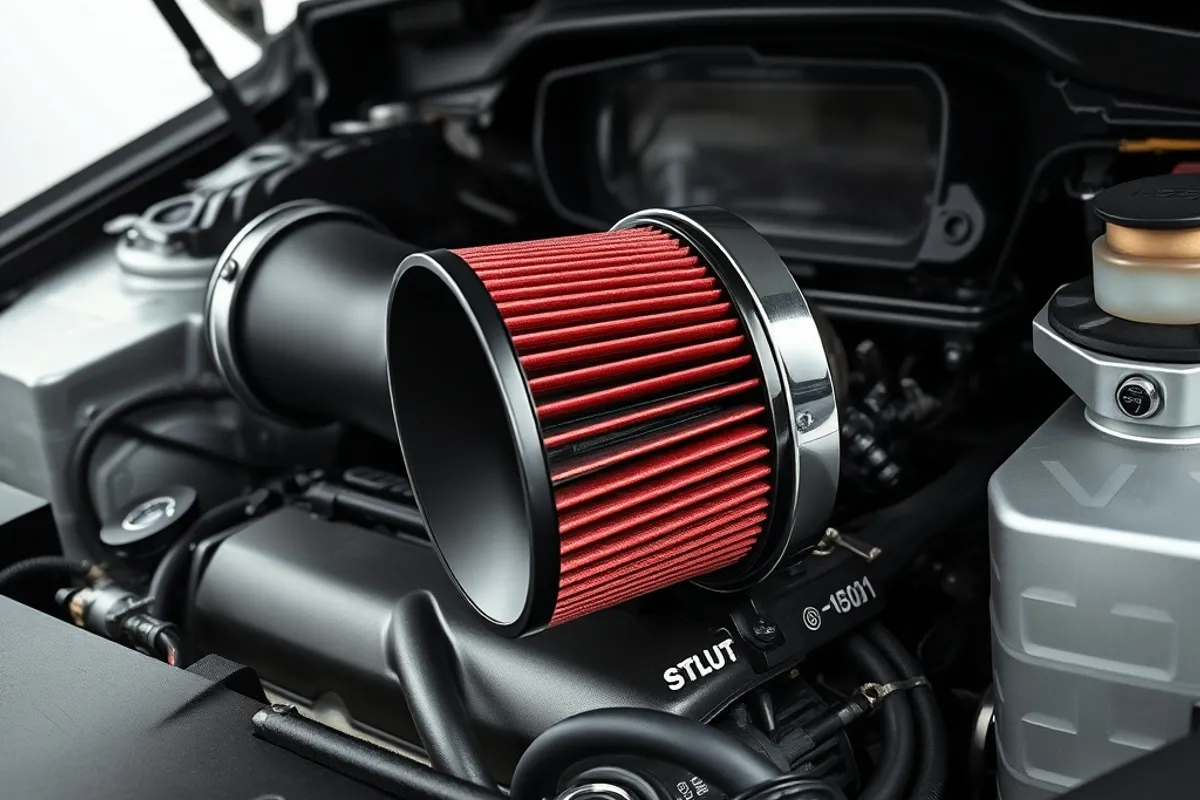
Cold Air Intake vs Drop-In Filter: What Really Adds Power
An intake is the cheapest power claim in the catalogue and the easiest to get wrong. The difference between a good and a bad setup is usually heat, not noise.
The intake debate is older than fuel injection, and the marketing has not improved. A cold air intake promises more power and a better sound; a drop-in filter promises the same for less money. The honest answer is that both can help, both can hurt, and the difference usually comes down to heat and airflow measurement rather than the shape of the pipe.
This guide compares the two options on cost, sound, real gains and installation, and explains the mistakes that cost low-end torque. It applies to ordinary road cars, not purpose-built race engines.
What each option actually changes
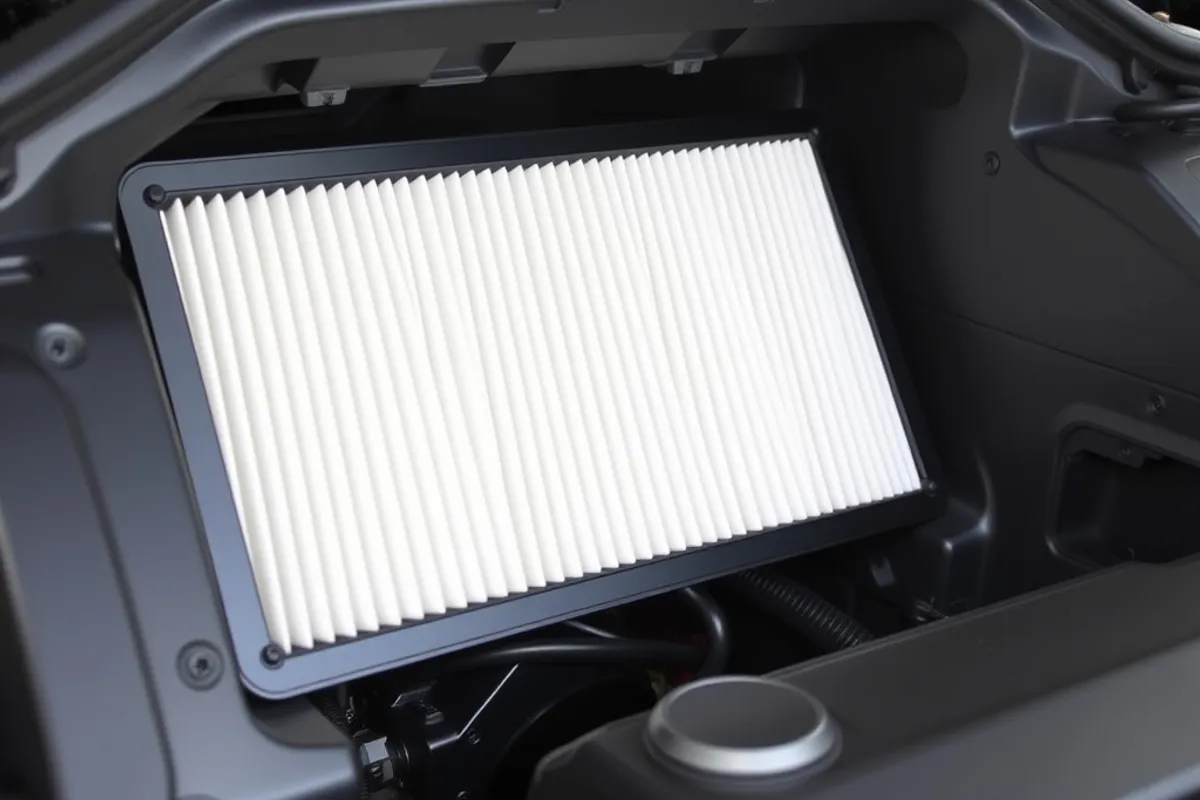
A drop-in filter replaces the factory paper element inside the original airbox. The airbox is designed to draw cool air from outside the engine bay, so the filter can flow a little more while keeping the factory heat shielding. A cold air intake replaces the airbox and often the intake pipe, moving the filter to a new location, sometimes behind the bumper and sometimes right next to the hot engine.
That distinction matters. If the new filter sits in the engine bay, it may flow more air but draw hotter air, which reduces density and can cancel the gain. A well-designed intake uses a heat shield or a sealed box and takes air from the same cool source as the factory system.
Real gains, measured honestly
On a modern turbo car, an intake alone rarely transforms power; the calibration controls boost, and the factory intake is usually adequate. The measurable gains appear after a tune, when the engine needs more airflow than the stock box can supply. On some naturally aspirated engines a good intake adds a small amount at high rpm, often at the cost of a little low-end response.
Be sceptical of a single peak horsepower figure. Look for a dyno graph with the bonnet closed, a fan providing airflow and repeated runs. Peak numbers sell parts; the area under the curve is what you feel on the road. If the graph shows a gain only above 6,000 rpm on a car that rarely goes there, the practical benefit is small.
Sound, filtration and daily driving
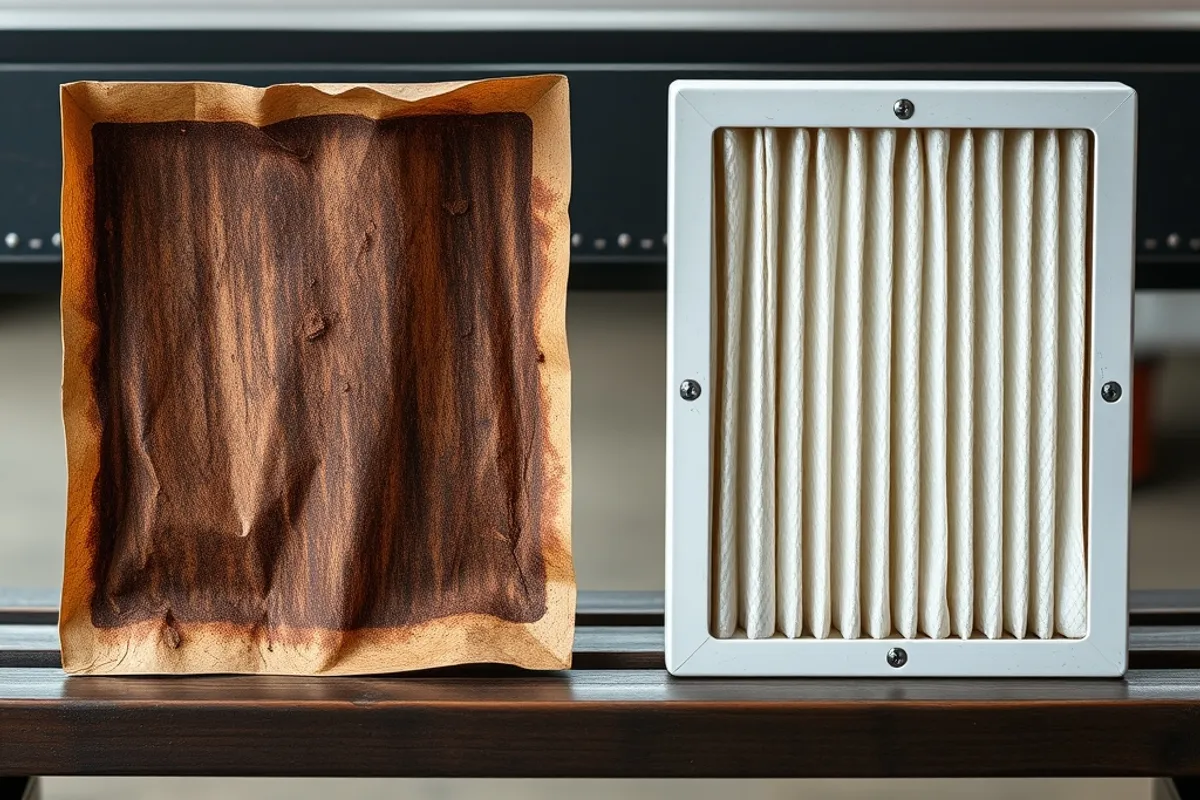
An open intake changes the sound because the factory resonator is gone. Some owners love it; others find it tiring on long motorway drives. That is a personal decision, not a performance one. The more important question is filtration: a filter that flows well but passes fine dust can wear an engine over years, especially on dusty roads.
Reusable oiled filters need correct cleaning and light oiling. Over-oiling can contaminate the mass airflow sensor; under-oiling reduces filtration. If you want a maintenance-free option, the stock paper element changed on schedule is genuinely hard to beat for everyday use.
The best intake is the one that draws cool air, filters it properly and does not need a remap to justify itself.
Marcus Bell
Installation and the mistakes to avoid
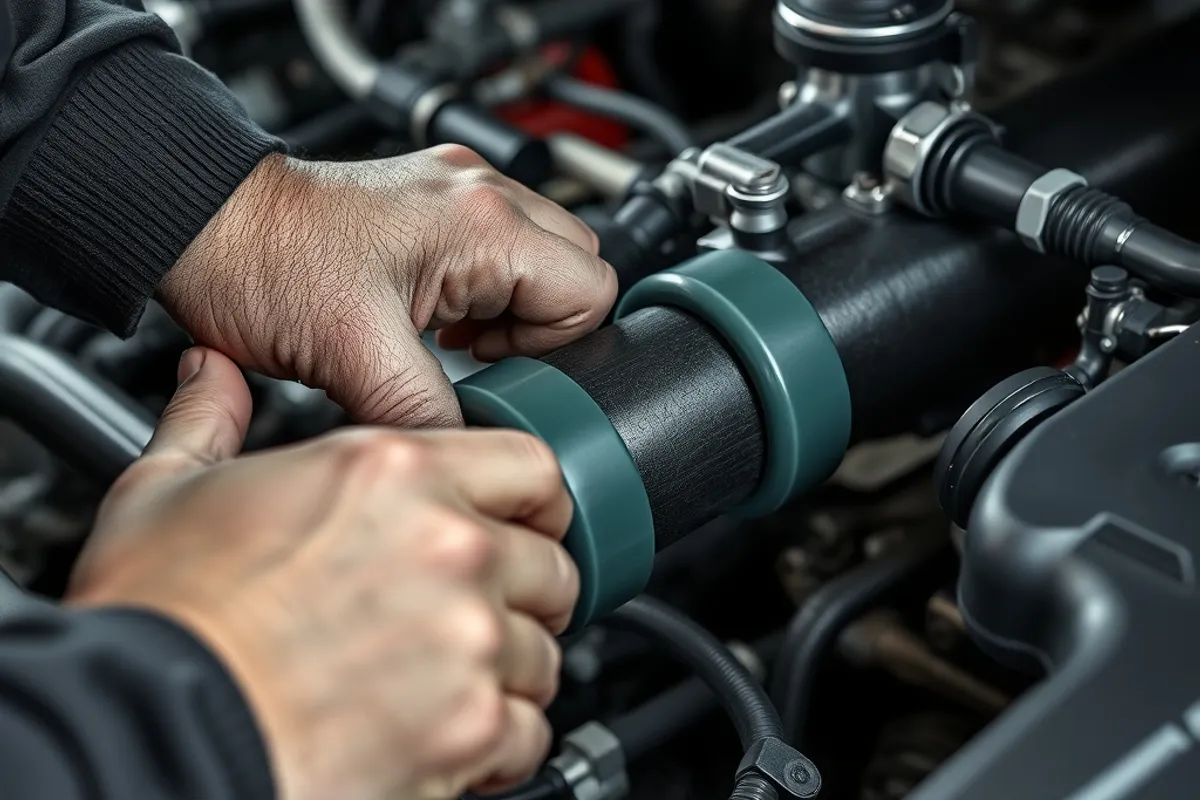
A drop-in filter takes minutes and needs no tools beyond a screwdriver. A full intake can take an hour or more and may require removing bumper trim or a wheel-arch liner. Fitment matters: a pipe that rubs on a hose or a filter that sits near the exhaust manifold causes problems later. Use the supplied brackets, check clearance and make sure the mass airflow sensor is clean and seated correctly.
Do not disconnect the battery unless the procedure requires it, and never leave an intake opening unfiltered. After fitting, check for vacuum leaks at every joint; a small leak leans the mixture and can trigger a check engine light. Our OBD-II scanner guide explains how to read the resulting code without guessing.
Which one should you buy
For a standard car with no tune, a drop-in filter is the sensible first step: lower cost, factory heat shielding and no fitment risk. If you plan a tune and the workshop confirms the stock intake is a restriction, a sealed cold air intake with a proper heat shield may be worth the money. If you only want the sound, know that you are buying sound, not power.
Whatever you choose, pair it with the right maintenance. A clean filter and a healthy engine will always outperform a dirty filter and a loud pipe. For the wider tuning picture, start with our engine performance tuning guide.
Key facts
- Drop-in filter: cheap, easy, keeps factory cool-air path.
- Full intake: bigger gain potential, higher cost and fitment risk.
- Hot air cancels flow gains; a heat shield is essential.
- Judge dyno graphs by area under the curve, not peak numbers.
- Check for vacuum leaks after installation.
Cool air, clean filter, honest graph.