
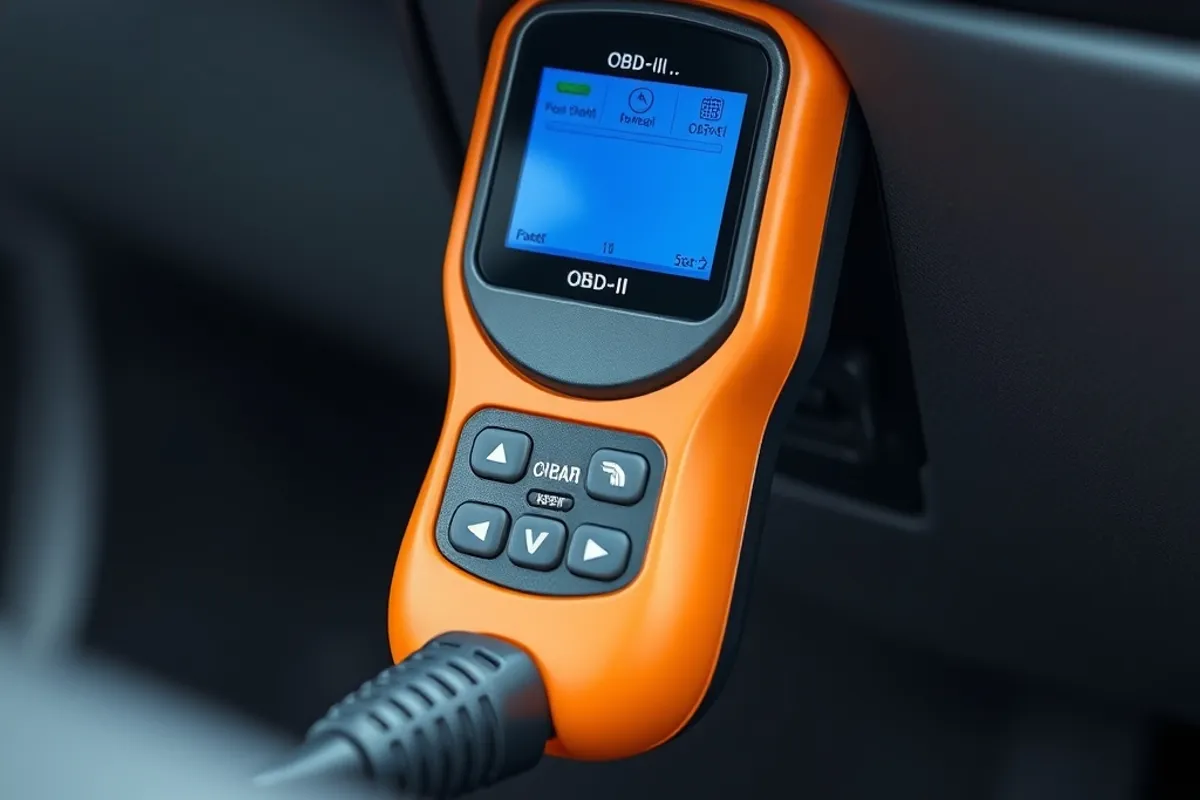
OBD-II Scanners Explained: How to Read Fault Codes Properly
A fault code is a starting point, not a diagnosis. Reading it well saves money; reading it badly replaces good parts until the light goes out.
An OBD-II scanner turns a warning light into a code, and a code into a starting point. It does not tell you which part to buy. The most expensive mistake in diagnostics is treating a code as a verdict and replacing a component before checking the circuit, the wiring and the live data that produced the code.
This guide explains what OBD-II actually monitors, how to choose a scanner, and the checks to run before you spend money on parts. It applies to cars sold from the mid-1990s onward in most markets.
What OBD-II can and cannot see
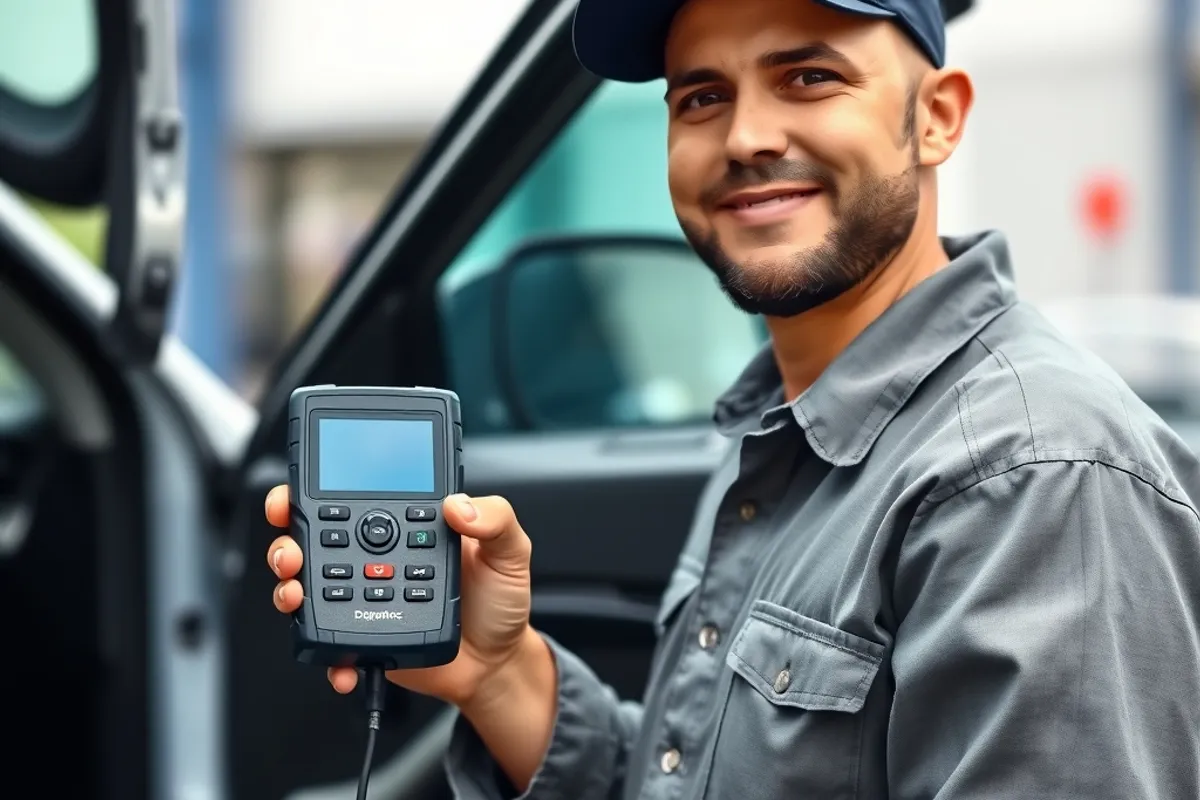
OBD-II covers engine and emissions-related systems, plus a growing share of transmission and body data on newer cars. It can report a misfire, a sensor circuit fault or a catalyst efficiency problem. It cannot tell you whether a tire is worn, a brake pad is low or a suspension bush is broken. Those still need eyes and hands.
Even within the engine, a code describes a symptom. P0301 means cylinder one misfire, not "replace the coil". The cause could be a spark plug, a coil, an injector, a vacuum leak or low compression. The scanner gives you a direction; testing gives you the answer.
Choosing a scanner
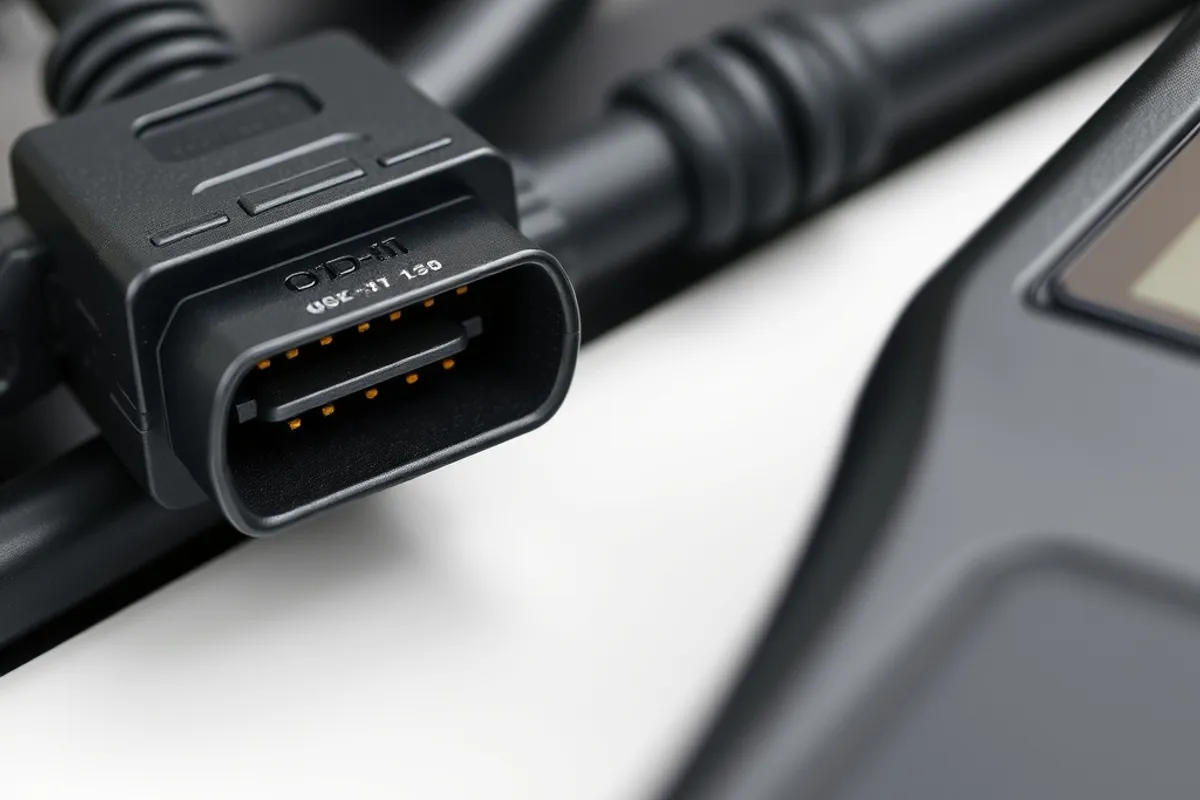
A basic code reader is cheap and clears codes, but a scanner that shows live data and freeze-frame information is far more useful. Look for the ability to read pending codes, view sensor values, and run readiness monitors. A Bluetooth adapter paired with a good app can be enough for a home mechanic; a professional tool adds bidirectional tests and manufacturer-specific data.
Do not buy a tool that only reads generic codes if you own a car with known manufacturer-specific faults. Check compatibility before buying, and keep the adapter firmware updated. A scanner is only as good as the data it can display.
Read, record, then clear
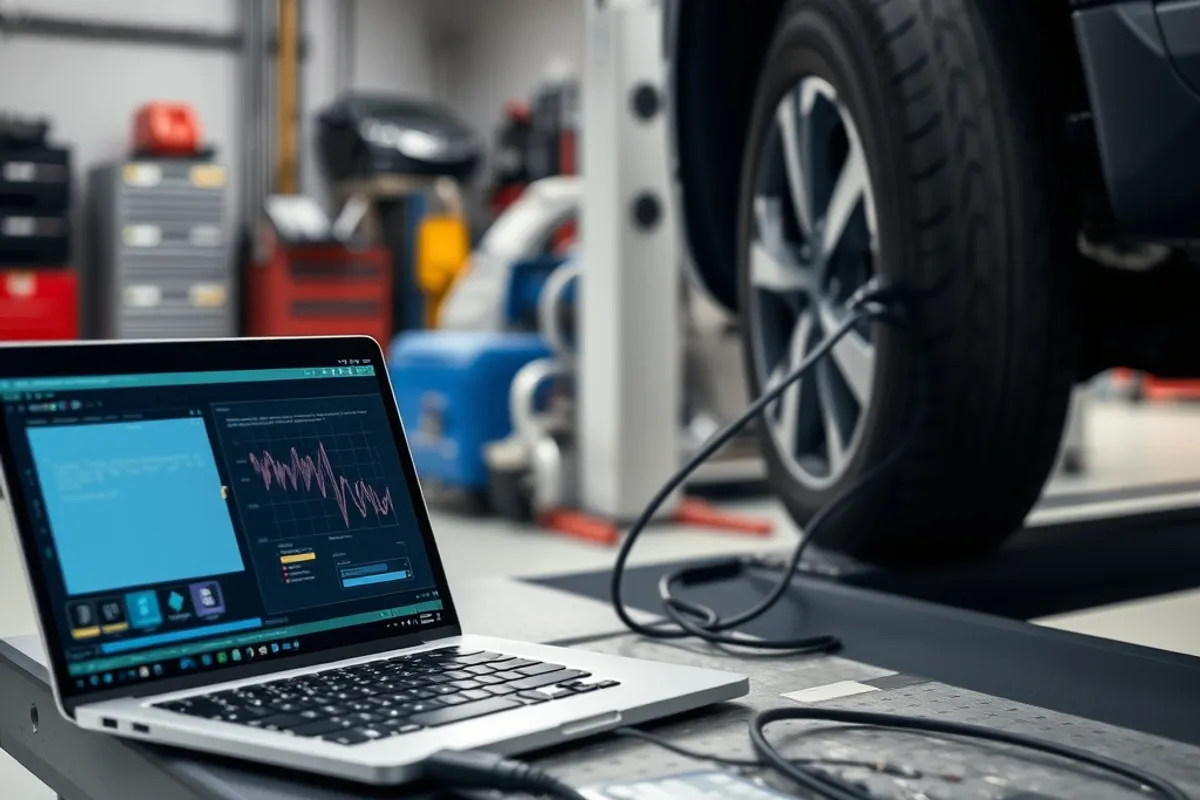
Plug in the scanner, switch on the ignition and read the codes before clearing anything. Record the code, the freeze-frame data and the mileage. Freeze frame shows the conditions when the fault was set: engine speed, load, temperature and speed. That context is often the clue that points to the right system.
Clear the codes only after you have recorded them, and then drive the car through a full readiness cycle. If the code returns immediately, the fault is present. If it returns after a few days, it is intermittent, and the freeze frame becomes even more valuable. Clearing codes to sell a car is dishonest and usually obvious at the next inspection.
A fault code is a question. The part you replace is the answer you have to prove.
Victor Hale
The checks before replacing a part
Start with the basics: battery voltage, earth straps, fuses and visible wiring damage. A weak battery can set a dozen unrelated codes. Check connectors for corrosion and look for vacuum leaks on the intake. Compare live sensor readings with expected values at idle and under load. A scan tool that can graph two sensors at once makes this far easier.
For a misfire, swap the coil or plug to another cylinder and see whether the code moves. If it does, you have found the faulty part. If it does not, the problem is elsewhere. That simple test has saved more money than any list of "common fixes".
When to stop and call a specialist
Stop and get help if the code relates to the airbag, ABS or high-voltage system, or if the car has a persistent misfire, overheating or low oil pressure. These are safety and major-cost systems, and a wrong diagnosis can make them worse. A specialist with manufacturer software can run guided tests that a generic scanner cannot.
If a warning light appears while driving, our dashboard warning lights guide explains which ones mean pull over. For engine-related faults after tuning, see our tuning guide before changing parts.

Key facts
- A code names a symptom, not a failed part.
- Record freeze-frame data before clearing anything.
- Check battery, earths, fuses and wiring first.
- Swap-test parts between cylinders before replacing them.
- Leave airbag, ABS and high-voltage faults to a specialist.
Final word
A scanner is a torch, not a map. It shows you where to look, and the rest is testing. Buy one that displays live data, learn what normal looks like on your car, and resist the urge to fire the parts cannon. The cheapest repair is still the one you only do once.
Read the data, test the circuit, then buy the part.