Dashboard Warning Lights Decoded: What to Do and When to Stop
Warning lights are the car asking for attention in order of urgency. Knowing the difference between amber and red is the difference between a service and a breakdown.
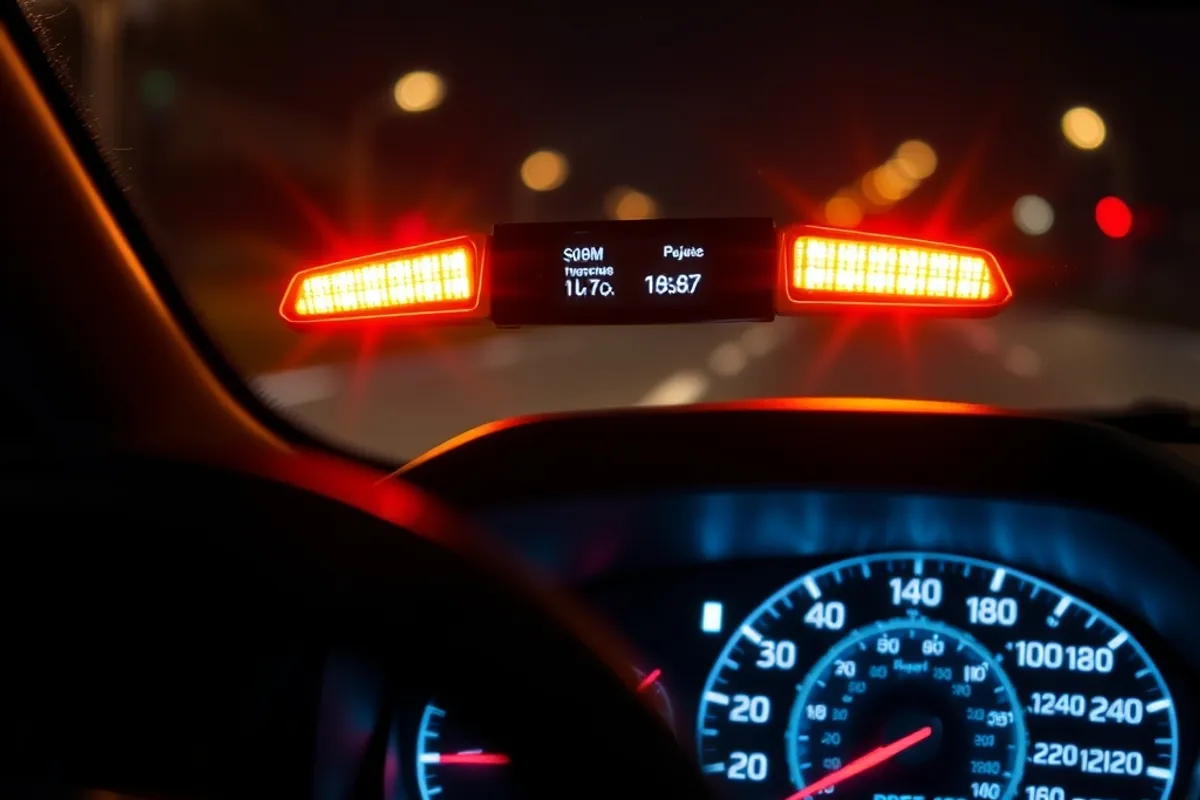
Dashboard warning lights are the car's way of asking for help, and they use colour to set the urgency. Red means stop and investigate now. Amber means the system needs attention and may affect driving. Green and blue are usually information: lights on, indicators or high beam. Treating an amber light like a red one wastes a trip; treating a red one like an amber one can destroy an engine.
This guide explains the lights you are most likely to see, what they usually mean and what to do next. It is general advice; the owner's manual for your car has the exact symbol and procedure.
Red lights: stop when it is safe
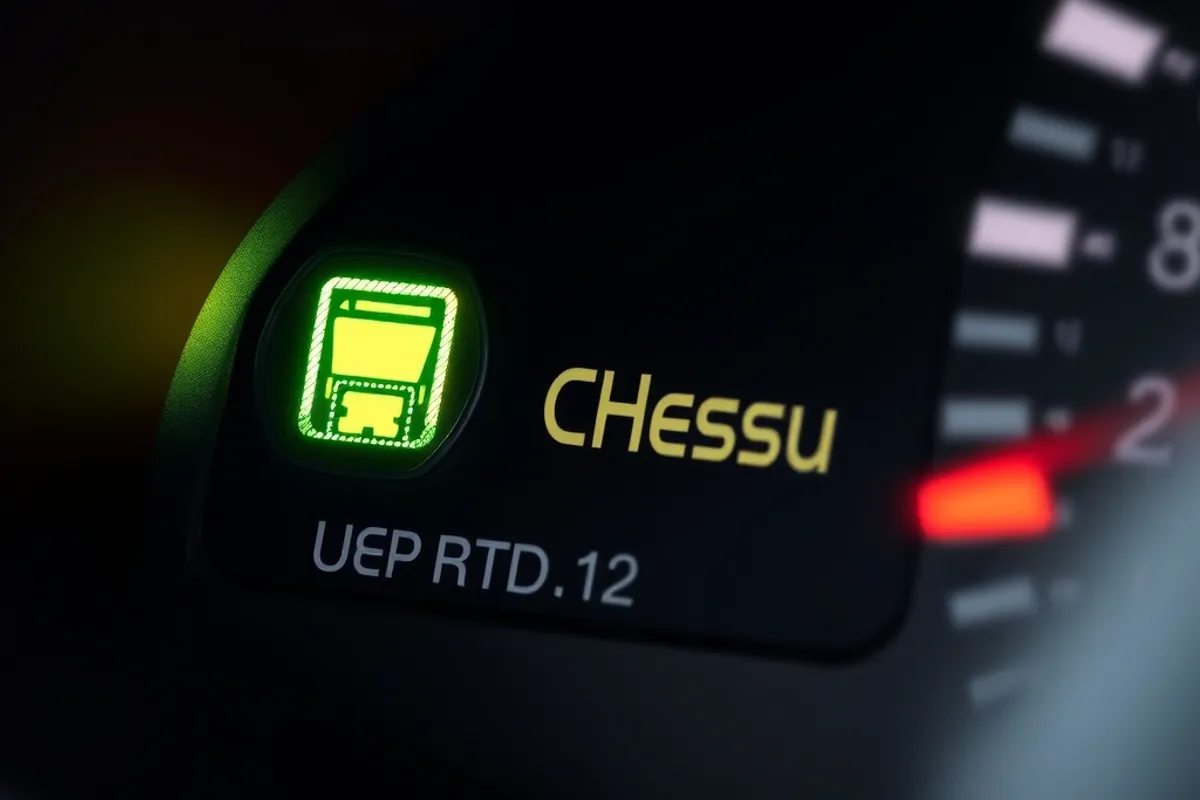
An oil pressure warning looks like an oil can. If it stays on after the engine starts, stop as soon as it is safe and switch off. Low oil pressure can destroy bearings in minutes, and topping up the oil may not fix the cause. A coolant temperature warning means the engine is overheating; stop, let it cool and do not open the coolant cap while it is hot.
The brake warning light can mean the handbrake is on, the fluid is low or there is a hydraulic fault. If the pedal feels soft, stop driving. A battery light usually means the charging system has failed, so the car is running on the battery and will stop when it is flat. A red airbag light means the restraint system may not deploy correctly.
Amber lights: investigate soon
The check engine light is the most common amber warning. A steady light means a fault has been detected; a flashing light means a misfire that can damage the catalytic converter, so reduce load and stop soon. Read the code with an OBD-II scanner rather than guessing at the part.
An ABS light means the anti-lock braking system is disabled, though normal brakes should still work. A tire pressure light means one or more tires are low or the sensor has failed; check the pressures manually before trusting the system. A traction control or stability light may be on because the system is switched off, or because a wheel speed sensor has failed.
Symbols that confuse drivers
The glow plug light on a diesel means the engine is preheating; it should go out shortly after start. A diesel particulate filter light means a regeneration is needed, often solved by a steady drive at speed rather than a short trip. A washer fluid light is harmless but easy to fix. A door-open light is a reminder, not a fault.
Some cars show a yellow steering wheel light for a power steering fault. If the steering becomes heavy, treat it as a safety issue and stop. A red seat belt reminder is exactly what it says. When in doubt, look up the symbol in the manual rather than assuming the worst from an internet image.
The colour of the light tells you how long you have. The manual tells you what it means.
Victor Hale
What to do before you drive on
Stop safely, switch off and check the obvious: handbrake, fuel cap, coolant level, tire pressures. Restart the car and see whether the light clears. If it stays on, drive gently to a safe place or a workshop, not to your destination. If the car is overheating, smoking or losing power, stop and call for assistance rather than nursing it home.

Prevention and record keeping
Most warning lights are preceded by something you can check: fluid levels, tire pressures, battery health and service intervals. Keep a note of when each light appeared and what the car was doing. That timeline helps a workshop reproduce an intermittent fault and avoids unnecessary parts. Our pre-drive checklist covers the weekly checks that prevent many of these warnings.
If you tune or modify the car, expect more sensitivity from the monitoring systems. Address the root cause rather than clearing the light and hoping. Our tuning guide explains the supporting checks that keep the engine inside safe limits.
Key facts
- Red: stop safely and investigate before driving on.
- Amber: plan a diagnosis; a flashing check engine light is urgent.
- Oil pressure and overheating warnings can cause rapid engine damage.
- Read the fault code before replacing parts.
- Record when the light appeared and what the car was doing.
Final word
A warning light is information, not an inconvenience. The driver who understands the colour and checks the obvious items saves money and avoids a roadside breakdown. The driver who ignores a red light eventually pays for a new engine. Read the manual once, keep a scanner in the car and act on what the car tells you.
Red means stop. Amber means plan. Read the manual.