Road Safety Checklist: 10 Checks Before Every Long Drive
Most long-drive breakdowns are small problems that were visible an hour earlier. Ten minutes of checking turns a roadside emergency into a routine stop.
A long drive is not dangerous because of distance. It is dangerous because small problems have more time and more speed to become big ones. A tire that is a few pounds low, a brake light that has failed or a load that is not secured will usually survive a short trip and fail on the motorway.
This checklist takes about ten minutes and covers the items that cause the most preventable breakdowns and crashes. Do it the day before a long trip, not five minutes after you planned to leave.
1. Tires: pressure, tread and damage
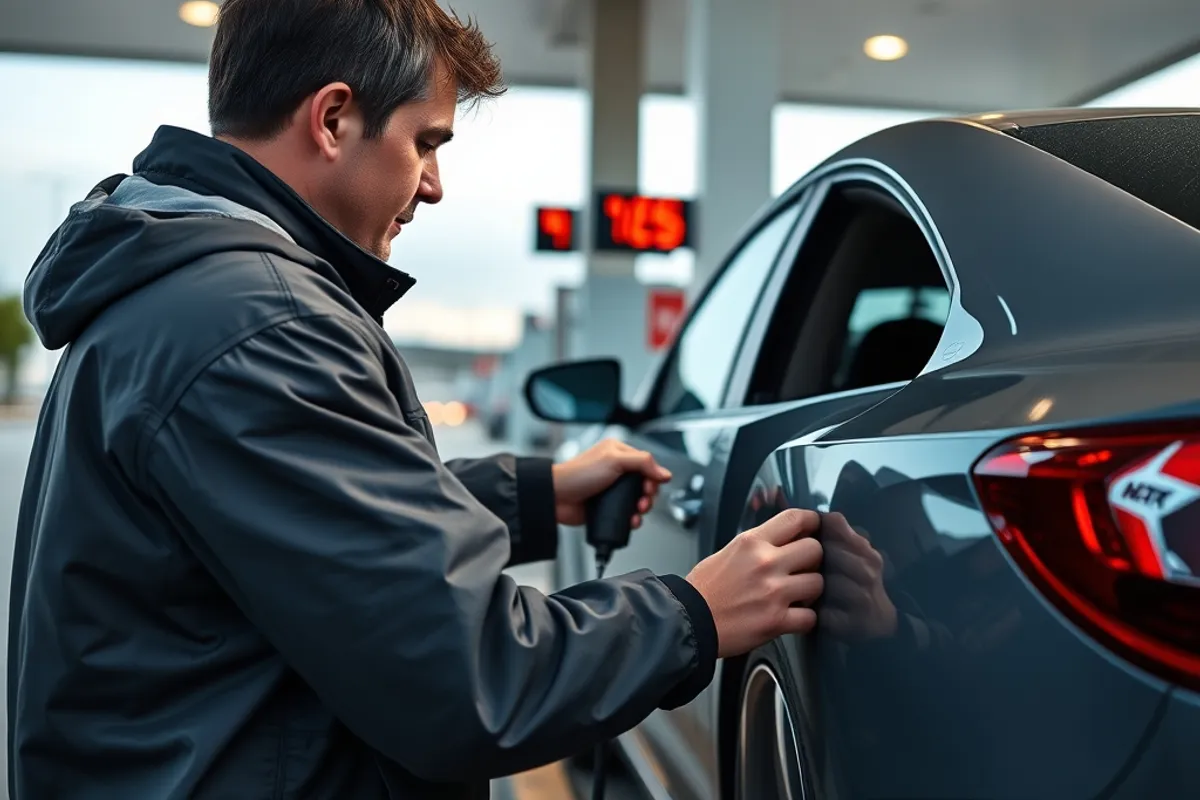
Set the pressures to the figures on the door pillar or fuel flap, not to the maximum printed on the sidewall. Check the spare or the repair kit. Look for cuts, bulges and embedded screws, and measure tread at several points across each tire. A bulge in a sidewall is a failure waiting to happen; replace the tire before the trip, not after.
2. Lights and visibility
With the ignition on, walk around the car and check every light: headlamps, main beam, indicators, brake lights, reverse lamps and number-plate lights. Ask someone to press the brake pedal while you watch. Clean the windscreen inside and out, top up the washer fluid and check that the wipers clear without streaking. A dirty screen in low sun is a real hazard, not a cosmetic issue.
3. Fluids and leaks
Check engine oil, coolant, brake fluid and washer fluid on level ground. Look under the car for fresh drips after it has been parked. A coolant level that keeps dropping is a leak, not a quirk. If the brake pedal feels soft or the fluid is below the minimum, do not drive; brake hydraulic faults are not something to monitor on a trip.
4. Battery and belts
A weak battery often starts fine in warm weather and fails on a cold morning far from home. Check the terminals for corrosion and the hold-down for security. Look at the drive belt for cracks, glazing or fraying. If the battery is more than four or five years old and the car cranks slowly, test it before the trip rather than after.
5. Load and visibility
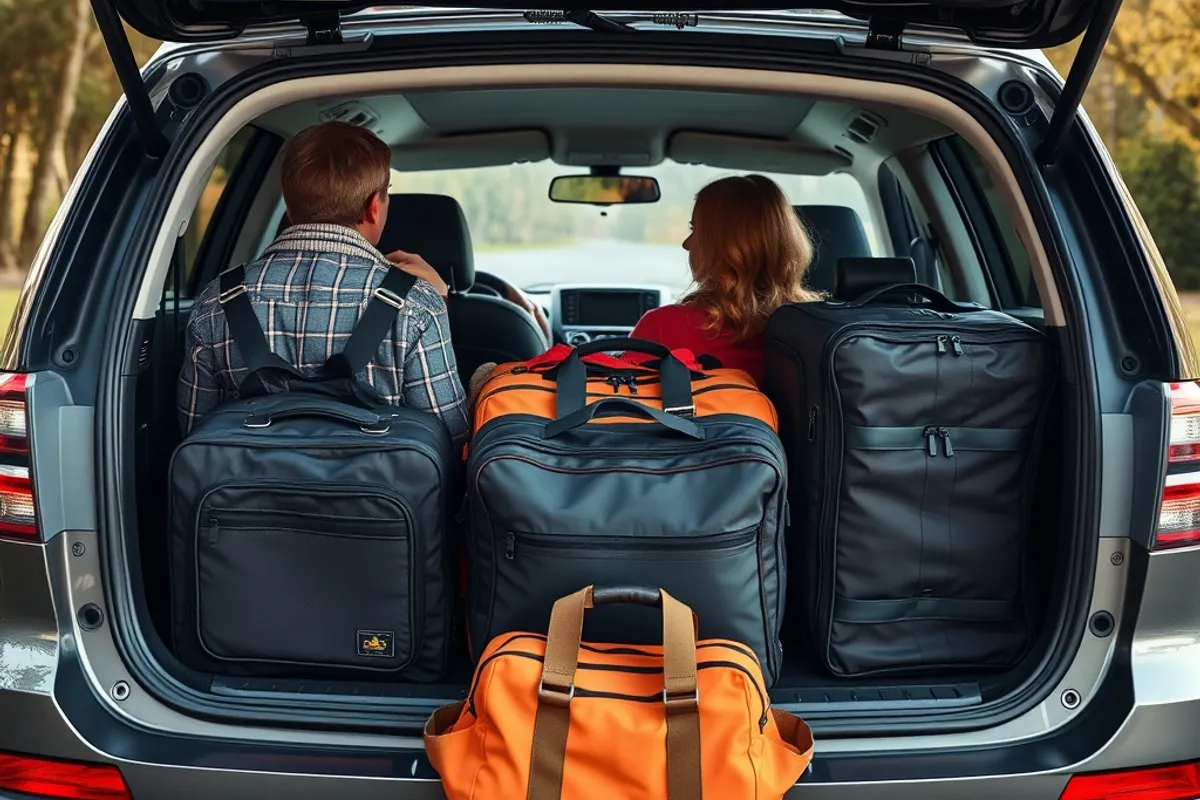
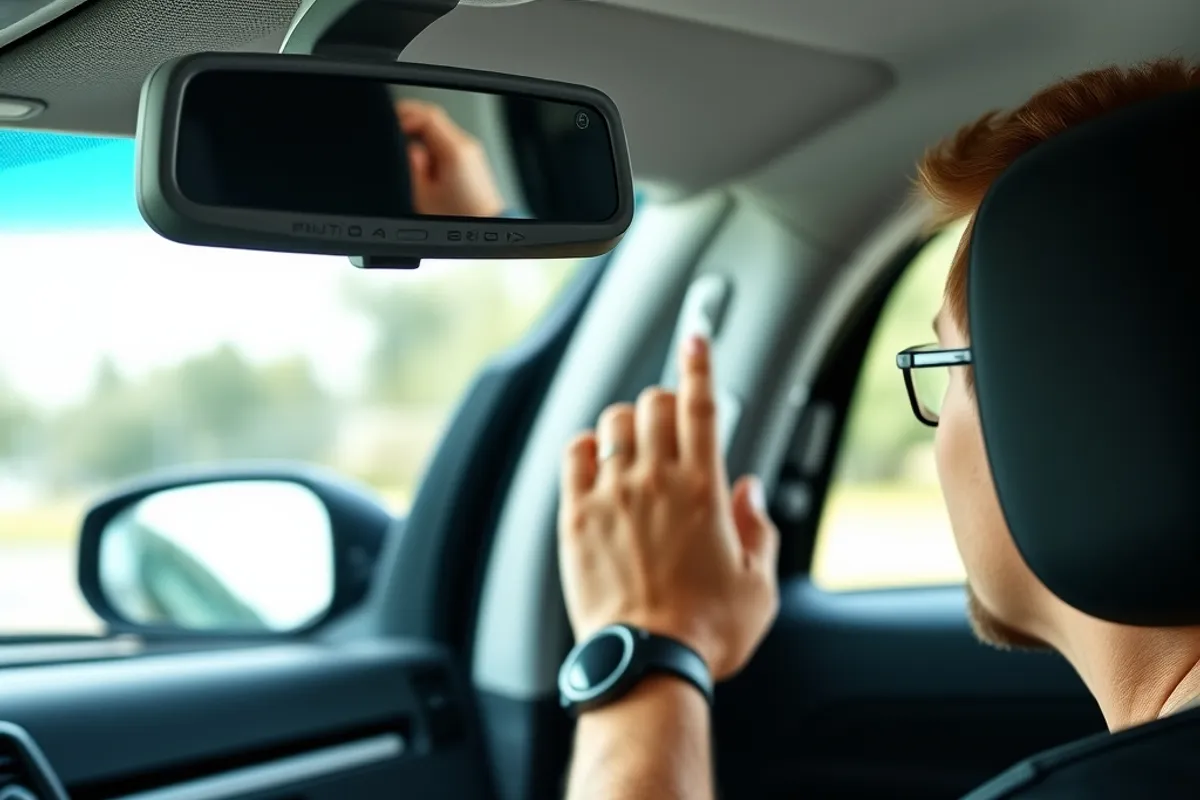
Secure everything in the boot; a heavy bag becomes a projectile in a sudden stop. Keep the rear shelf clear and do not stack luggage above the seat backs. If you use a roof box, check the fixing points and the load limit, and remember that a tall load changes the car's handling and fuel use. Adjust the mirrors and headlamp aim if the rear is heavily loaded.
Ten minutes before you leave is worth an hour on the hard shoulder.
Samuel Reed
6 to 10. The human checks
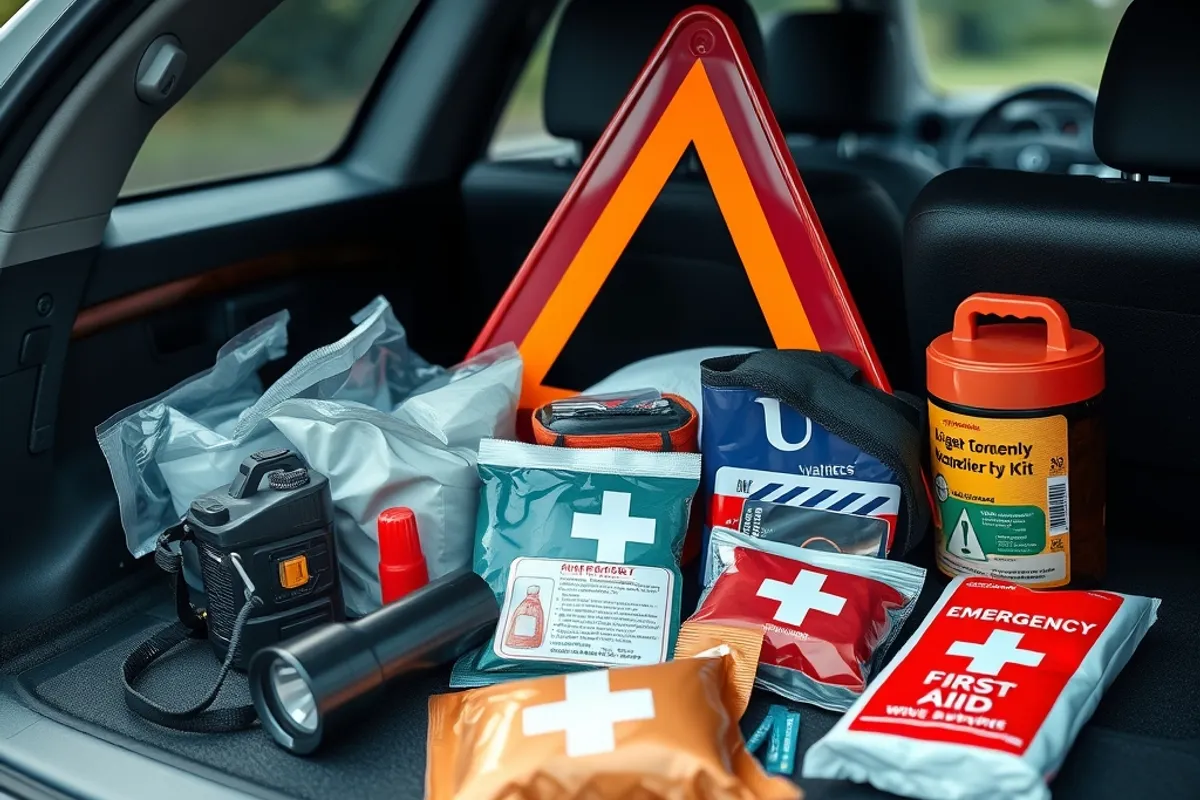
Plan the route and the stops. Fatigue is a bigger risk than most mechanical faults, so schedule a break every two hours and do not drive through the night after a full day of work. Keep water and a charged phone in the cabin. Check that your documents, insurance and roadside assistance details are in the car. Tell someone your route and expected arrival time if you are driving alone through remote areas.
If you take medication that causes drowsiness, do not drive. If you feel unwell, stop. If a warning light appears, act on it rather than waiting for the next service. Our warning lights guide explains which lights mean stop immediately.
Key facts
- Check cold tire pressures, tread and sidewalls before loading the car.
- Test every light, including brake and reverse lamps.
- Fix fluid leaks before the trip; never monitor a soft brake pedal.
- Secure the load and adjust mirrors and headlamp aim.
- Plan breaks every two hours; fatigue is a safety failure too.
Final word
The checklist is not about being anxious. It is about moving the boring failures to a moment when you can fix them. Once the car is ready, the drive is simpler: keep space, keep speed appropriate and keep attention on the road. For the tires in more detail, read our pressure and tread guide.
Check it at home, not on the hard shoulder.