
Tire Pressure and Tread: The Safety Numbers That Matter
Two numbers decide how a car behaves in the wet: pressure and tread depth. Both are cheap to check and both are routinely ignored until a tire fails.
Tires are the only part of the car in contact with the road, and they are the part most owners check least. Pressure and tread depth decide how the car grips, stops and steers, especially in rain. Both are cheap to check and both can be measured in minutes without a workshop.
This guide explains the numbers that matter, how often to check them, and the wear patterns that tell you something is wrong with the car rather than the tire.
Pressure: use the car's number, not the tire's
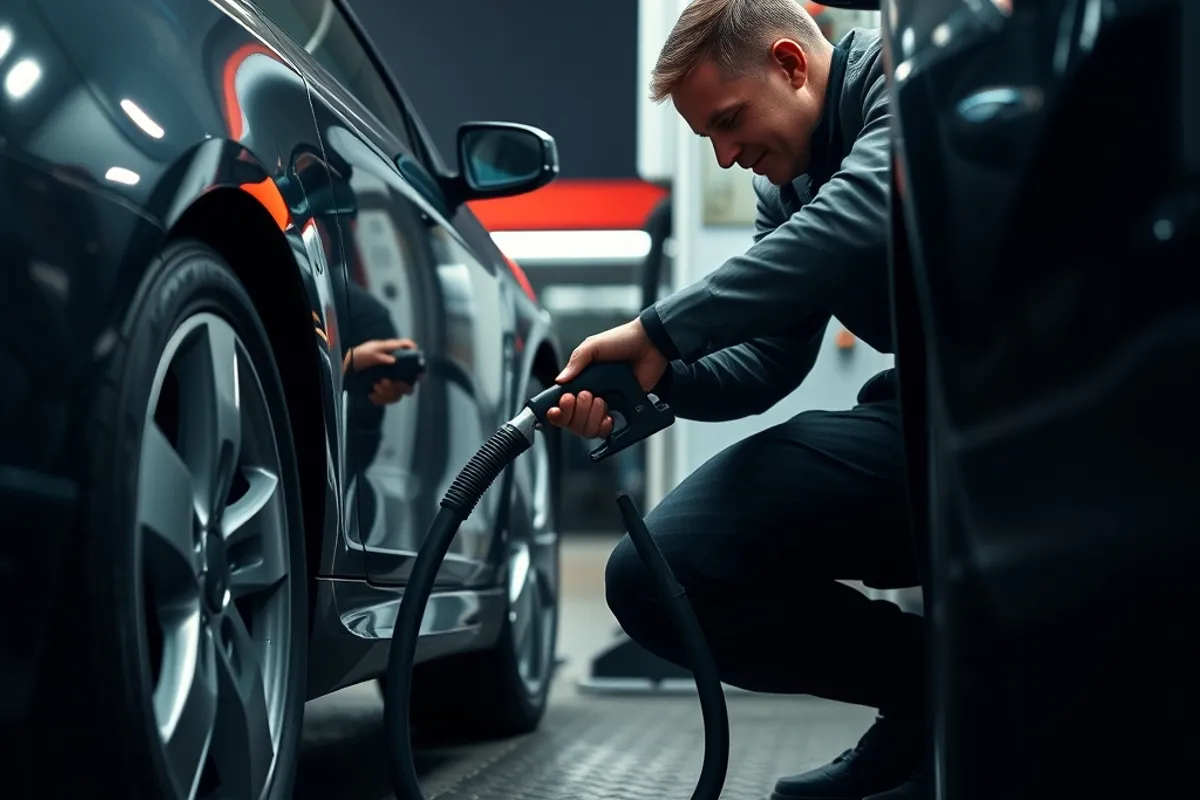
The correct pressure is printed on a label inside the driver's door pillar or on the fuel flap. It is specific to the car and often differs between front and rear, loaded and unloaded. The maximum pressure on the tire sidewall is a limit for the tire, not a recommendation for your car. Inflating to the sidewall number gives a harsh ride and less grip.
Check pressures when the tires are cold, meaning before driving or after a long rest. Driving heats the air and raises the reading, so a hot check can hide an underinflated tire. A difference of a few psi matters: low pressure increases sidewall flex, heat and rolling resistance, while overinflation reduces the contact patch.
Tread: the wet-road number
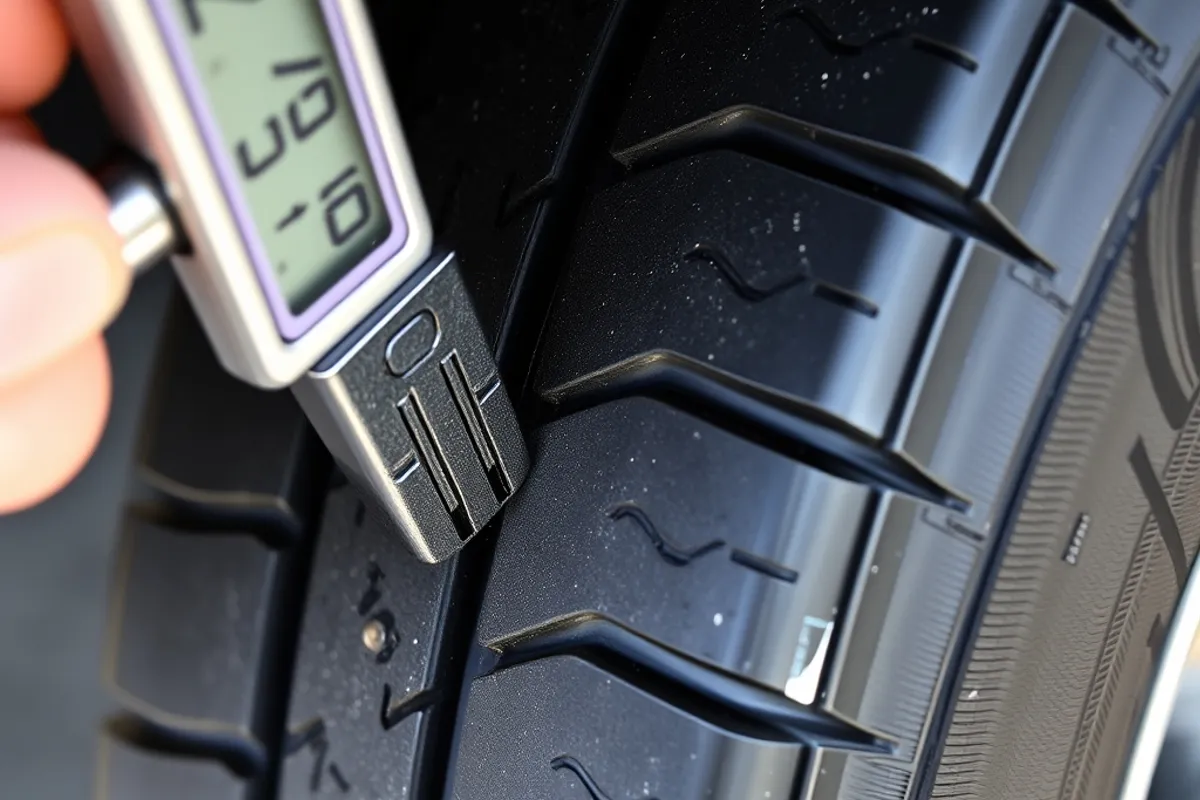
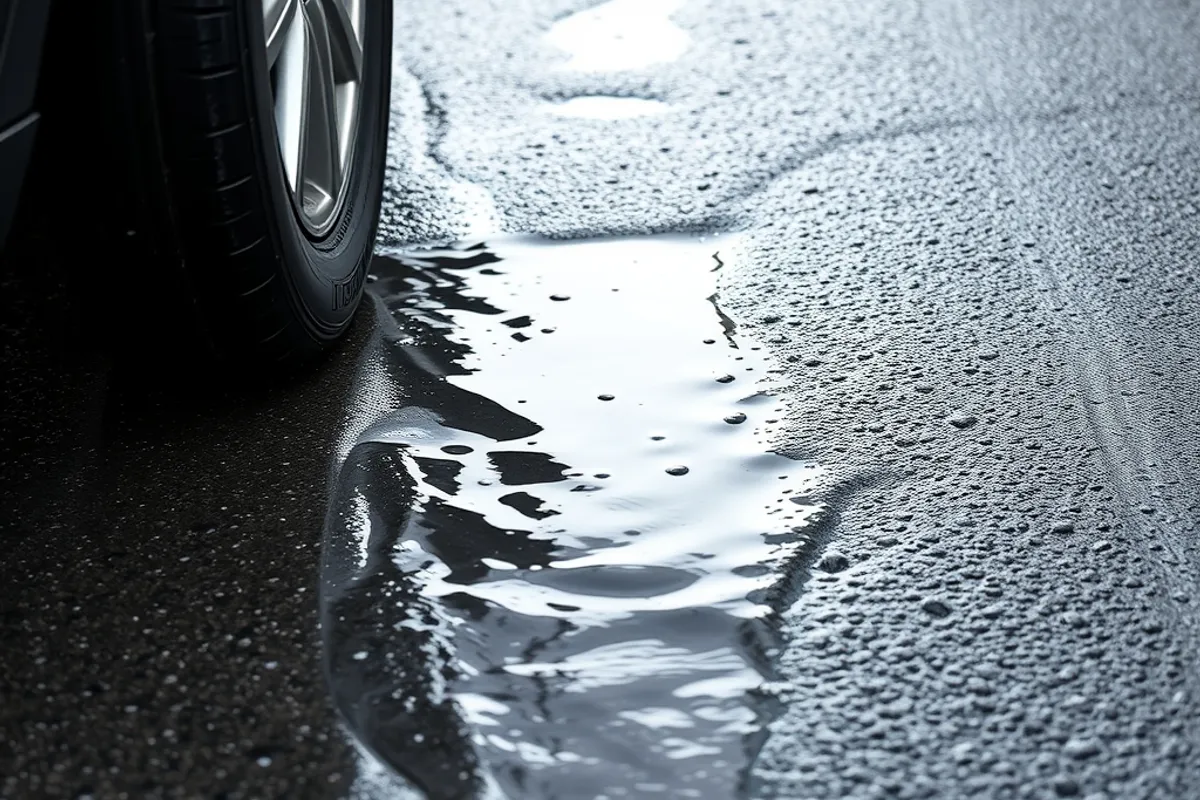
New tires usually start around 8mm of tread. The legal minimum in many places is 1.6mm, but grip in heavy rain falls long before that. For safety, treat 3mm as a practical replacement point for a daily driver, especially on the rear. A tire with 1.6mm still passes a test and still struggles to clear water at speed.
Measure in three places across the width of the tire and around the circumference. Uneven wear tells a story: worn edges suggest low pressure, a worn centre suggests overinflation, and a diagonal wear pattern points to alignment or suspension problems. Fix the cause before fitting new tires, or the new set will wear the same way.
Age, damage and the spare
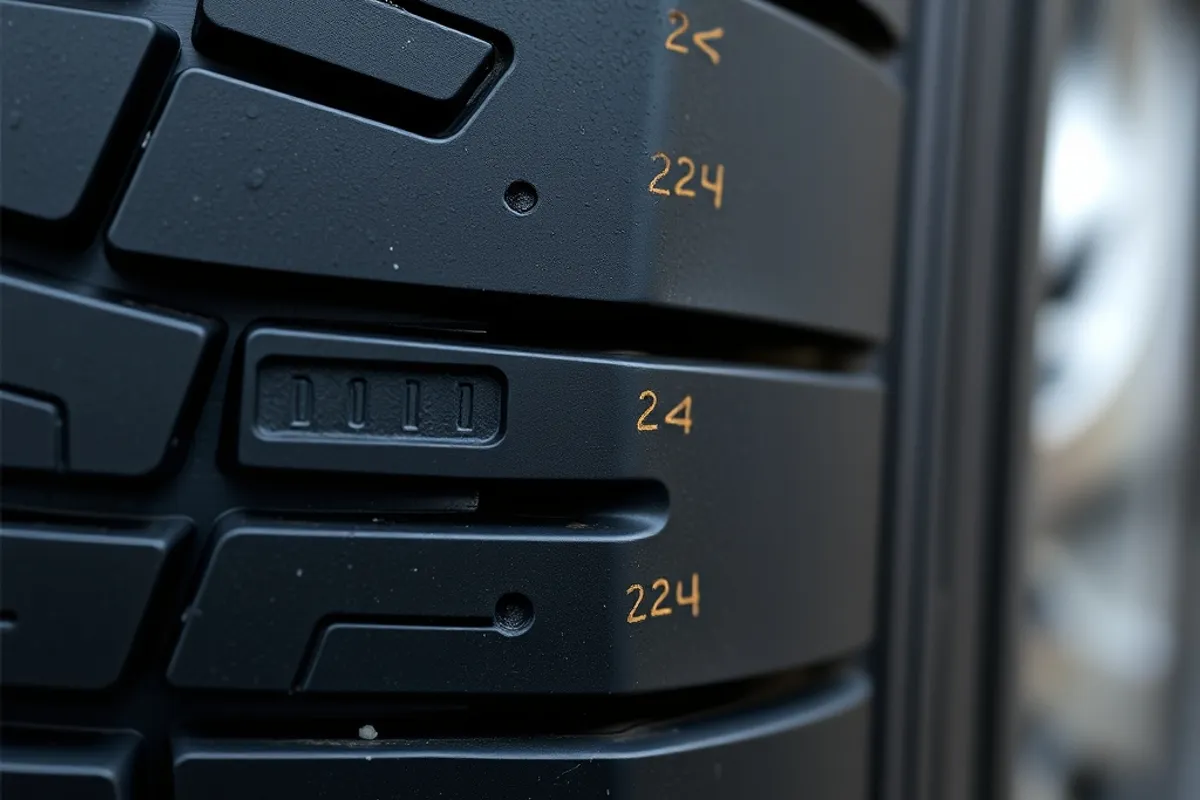
Rubber degrades with time, sunlight and heat. A tire older than six to eight years should be inspected closely even if the tread looks good, and replaced if the sidewall is cracked. Check the date code on the sidewall. Look for bulges, cuts and objects stuck in the tread; a bulge is a structural failure and the tire should not be driven.
Check the spare too. A space-saver is often inflated to a higher pressure than the road tires and has a speed and distance limit. If the car uses a repair kit, check the sealant expiry date. A flat spare or expired sealant is worse than none, because it creates false confidence.
Grip is not a feeling. It is a number you can measure before the rain arrives.
Samuel Reed
How often to check
Check pressure at least once a month and before every long trip. Check tread monthly and before winter. Temperature changes about 1 psi for every 10 degrees Celsius, so a cold snap can leave all four tires low. If one tire loses pressure faster than the others, find the leak rather than topping it up every week.
After fitting new tires, re-check the wheel nut torque and the pressures after about 100 km. For the wider pre-trip routine, see our long-drive checklist, and for buying advice read our accessories guide for a reliable inflator.
When to replace rather than repair
A simple puncture in the central tread can often be repaired to a safe standard. A sidewall puncture, a bulge, a cut through the cords or repeated repairs mean replacement. Never repair a tire that has run flat; the internal structure may be damaged even if it holds air. Replace tires in pairs on the same axle, and ideally all four, to keep handling balanced.
Finally, match the tire to the car and the climate. A summer tire on ice, or a worn all-season on a wet motorway, is a compromise the driver pays for. Our guide to interior comfort is no help here; grip starts at the road, not the cabin.
Key facts
- Use the pressure on the door pillar, not the tire sidewall maximum.
- Check cold, at least monthly and before long trips.
- Treat 3mm tread as a practical wet-weather replacement point.
- Uneven wear means pressure, alignment or suspension trouble.
- Replace tires with bulges, deep cuts or sidewall damage immediately.
Pressure, tread, date code. Three minutes, real safety.